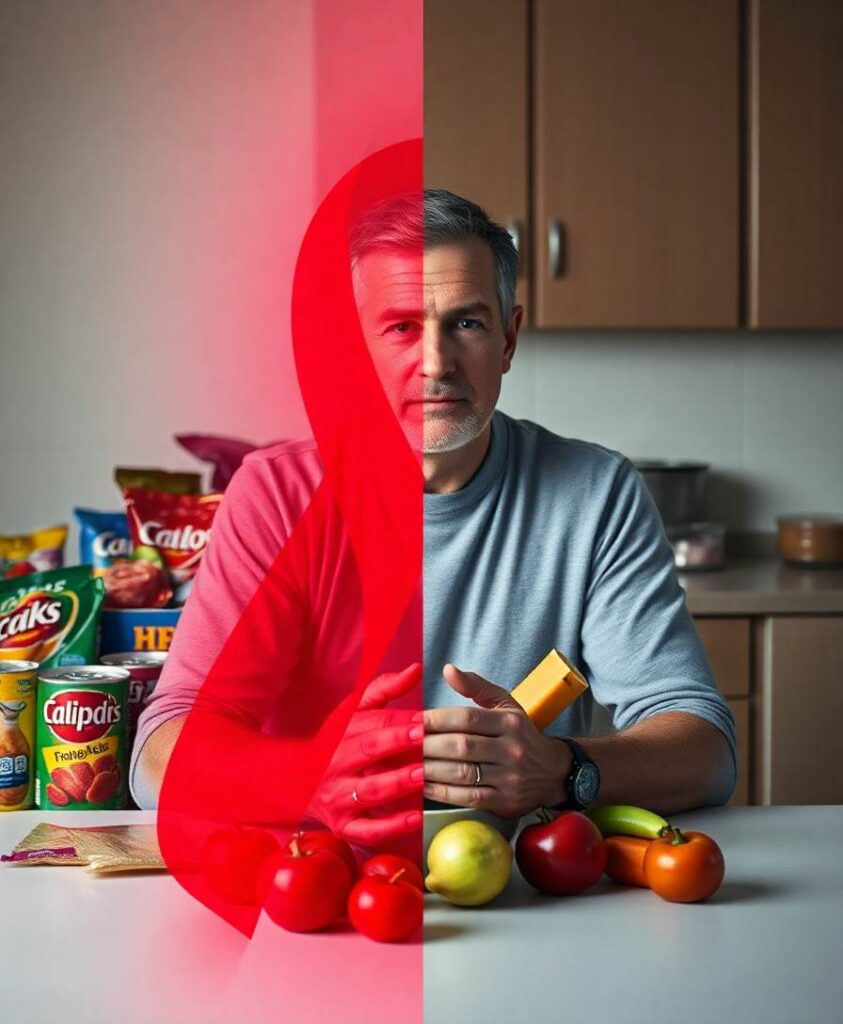

Understanding how the brain reacts to food cues matters because habits form when attention and desire align. When processed snacks repeatedly spike reward circuits, children may become more likely to notice and seek out those foods in stores, classrooms, and at home. That pattern can narrow food preferences, making healthier options harder to choose even when they are available.
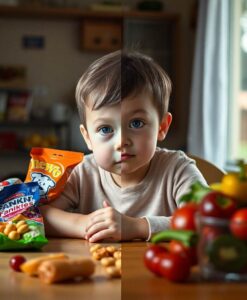
This research points toward strategies that matter for families and communities: shaping food environments, offering appealing whole-food alternatives, and designing policies that reduce constant exposure to ultra-processed options. Follow the full article to see how these brain findings connect to practical steps for supporting children’s growth, learning, and long-term health.
A new study suggests that ultra-processed foods may influence children’s developing brains in ways that encourage weight gain. Researchers from USC studied 46 children ages 7 to 10 and found that those who ate more ultra-processed foods showed stronger activity in the brain’s reward system when viewing tempting foods like cookies and French fries. These heightened brain responses were linked to greater increases in body fat and body mass index (BMI) one year later, suggesting that the brain’s sensitivity to food cues may help explain why ultra-processed diets are associated with obesity.