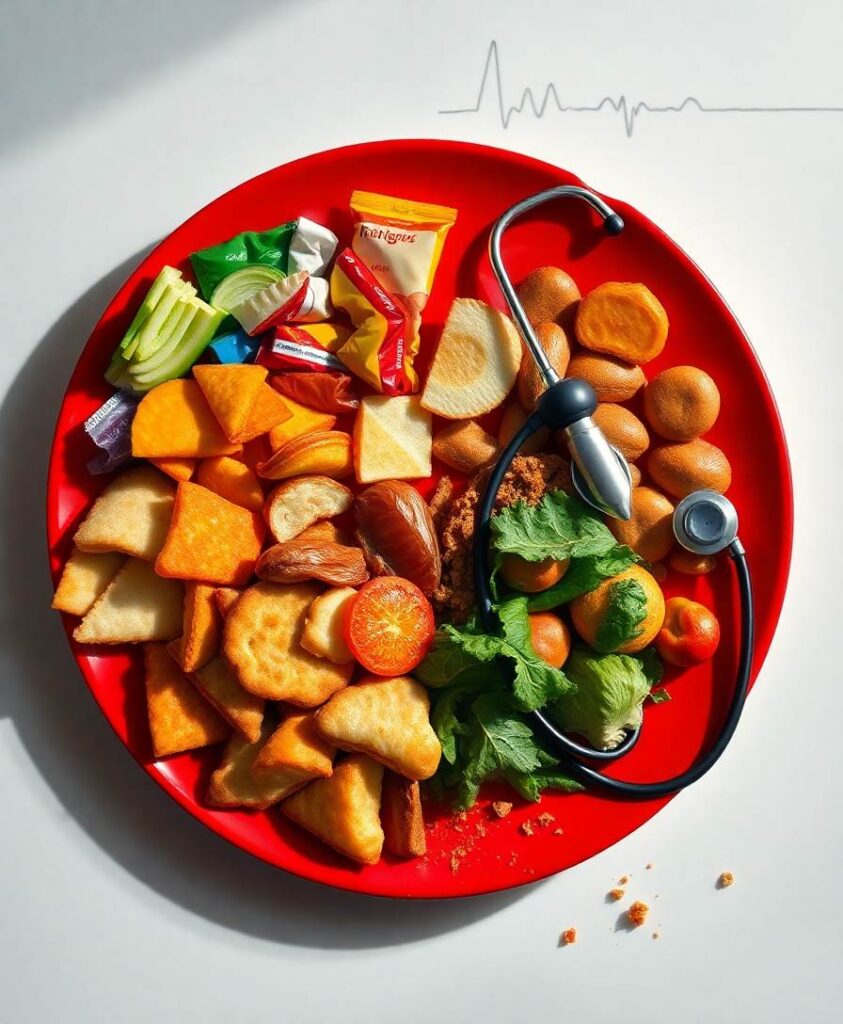

Evidence from big surveys helps reveal patterns that smaller studies cannot, but translating those patterns into practical choices requires careful thinking. Nutrition labels and marketing rarely explain how long-term exposure to additives, refined ingredients, and altered food structures might affect prostate tissue. Men and families deserve clear guidance that connects food environments to long-term health, especially when social and economic forces shape what ends up on the table.

Curious about which specific foods and eating habits showed the strongest links and how the researchers accounted for other risks? The full article explores how this line of inquiry ties into broader questions about prevention, dietary equity, and how we can support healthier food patterns for everyone’s potential to flourish.
Ultra-processed foods make up a huge share of the American diet, and new research suggests they may carry another serious health risk for men. In a nationally representative study of more than 17,000 U.S. men, those who ate more ultra-processed foods, including soft drinks, packaged snacks, cereals, and processed meats, had roughly 24% to 31% higher risks of prostate cancer after accounting for factors such as age, smoking, race and ethnicity, and poverty status.