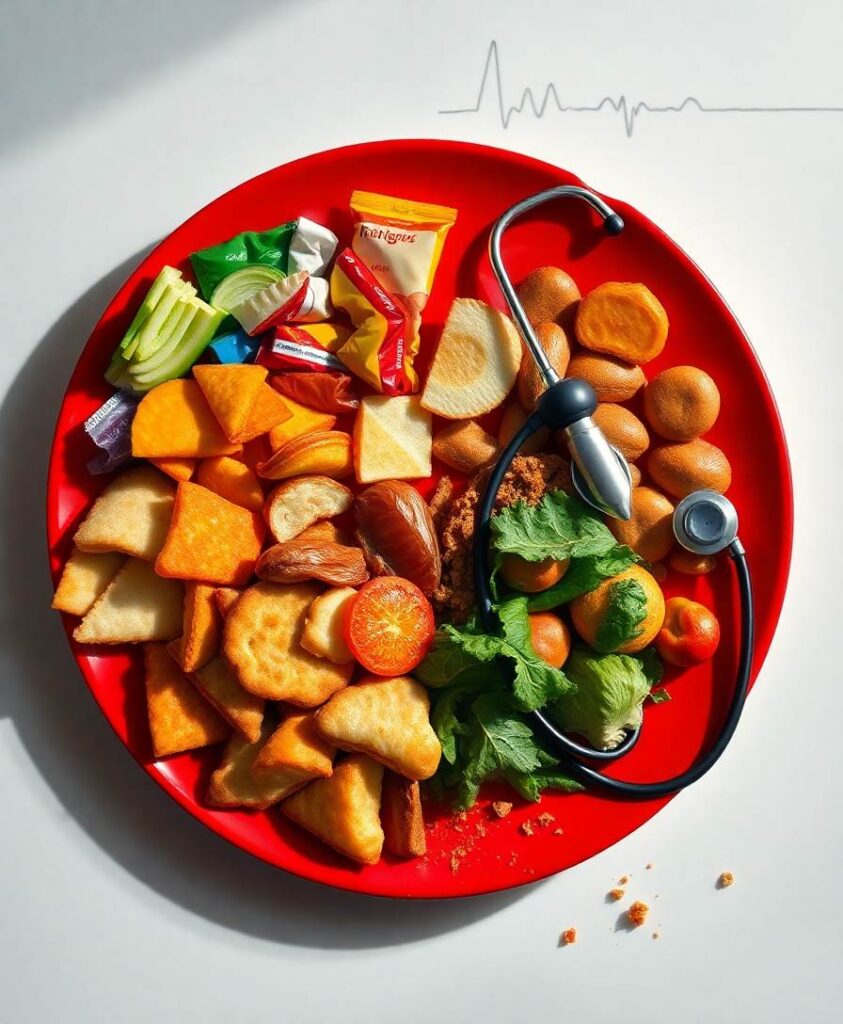
Ultra-processed foods tend to deliver convenience and flavor in ways that can crowd out whole foods that provide steady energy and important nutrients. For growing brains and bodies, too much sugar, salt, fat, or excess calories can change appetite cues and the types of foods a child prefers. Those shifts are not only about weight; they affect concentration, mood, and how children respond to new tastes and textures as they develop.

Understanding what’s on the shelf helps families and communities push for clearer labels, better product standards, and environments that support healthy development for all children. Follow the link to see the audit details and think about which steps could make it easier for every child to have a healthier start.
A grocery-store audit found that many foods marketed for toddlers may be far less healthy than parents expect. Of nearly 2,800 products examined in Texas, 81% were ultra-processed, and almost half failed at least one World Health Organization nutrient standard, often because they contained too much sugar, sodium, fat, or too many calories.