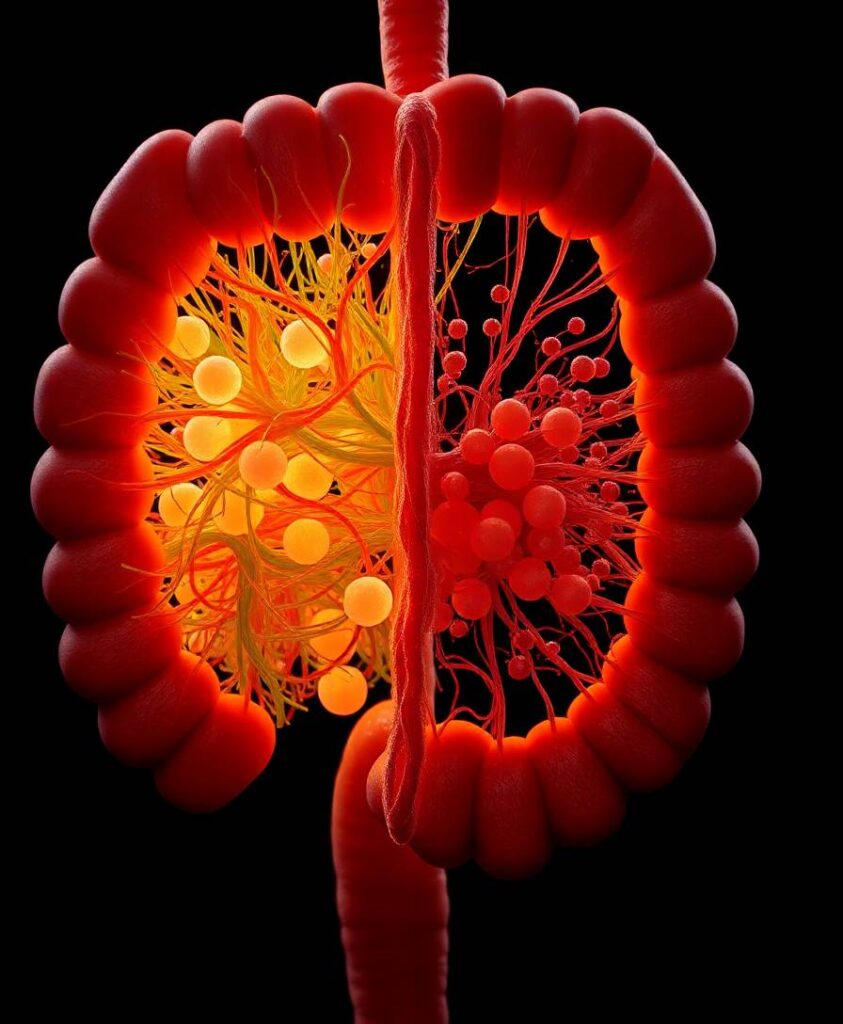

The guinea fowl experiment offers a clear, controlled example of developmental programming: birds that carried weight while growing handled the same load later with no extra energy cost, while others expended far more. Translating animal work into human practice requires care, yet the basic idea connects to what we know about motor learning, bone and tendon adaptation, and how early activity teaches the nervous system to move efficiently. Those are the kinds of biological changes that affect everyday life, from walking the dog to carrying groceries.
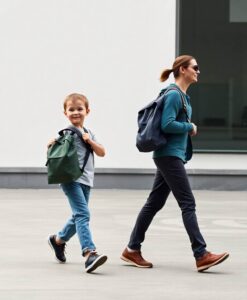
This topic ties directly to questions about opportunity and inclusion. If early experiences shape lifelong ease of movement, then access to supportive environments for childhood play and physical learning becomes a matter of public health and equity. Follow the full article to see how these findings might inform childhood programs, sports training, and policies that help people carry more of life’s load with less effort.
Exercise during childhood could have a surprising lifelong benefit, potentially making physical activity less exhausting in adulthood. In a study involving guinea fowl, researchers discovered that birds accustomed to carrying weights while growing up could carry those weights as adults without using extra energy, while untrained birds burned 23% more.