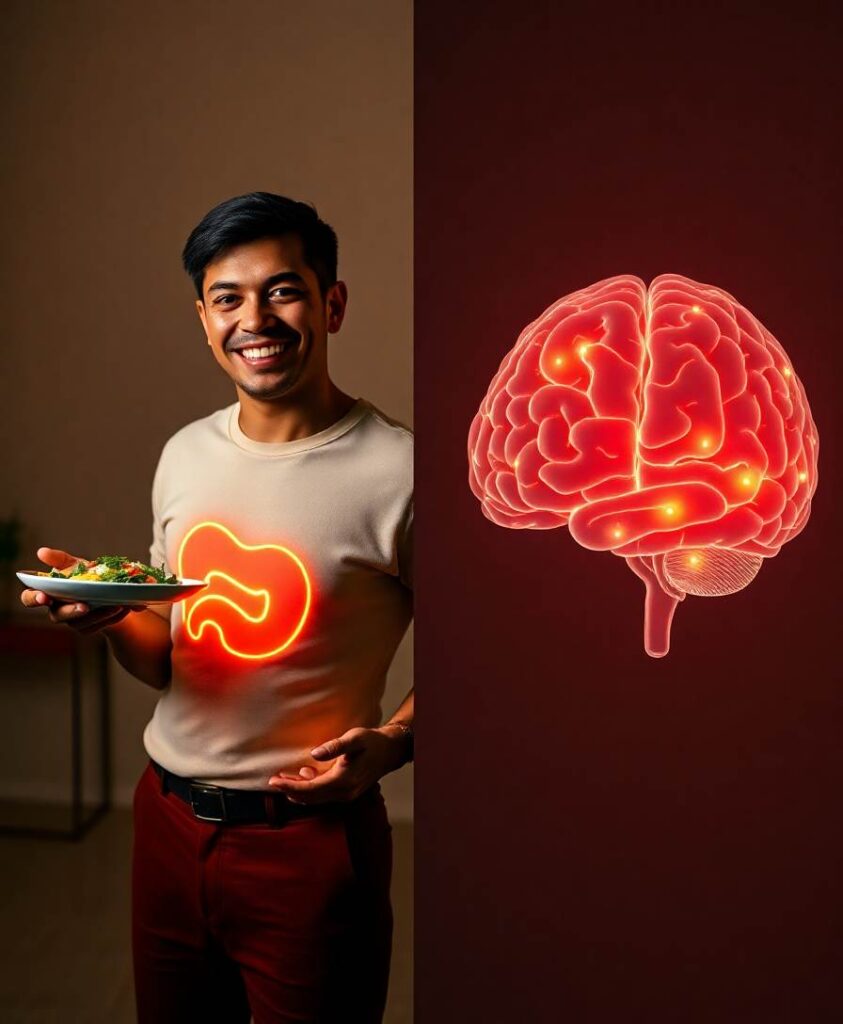

From a human potential perspective, lowering cognitive load around food frees mental bandwidth for work, learning, and relationships. When a routine aligns with natural daily rhythms, it can support sleep, mood, and energy in ways that strict calorie counting sometimes undermines. These downstream effects matter for anyone trying to make lasting changes rather than quick fixes.

Curious how fasting produces comparable results without the same feeling of control? The original study explores behavior, physiology, and real-world adherence, and it raises practical questions about inclusivity, individual differences, and what sustainable support looks like for diverse lifestyles. Follow the link to see how these findings might reshape advice on weight, well-being, and opportunities for people to reach their full potential.
Intermittent fasting helped people lose as much weight as calorie restriction, but without the same feeling of constantly controlling their food intake. Researchers say that difference could make fasting a more sustainable option for people who struggle with traditional diets.