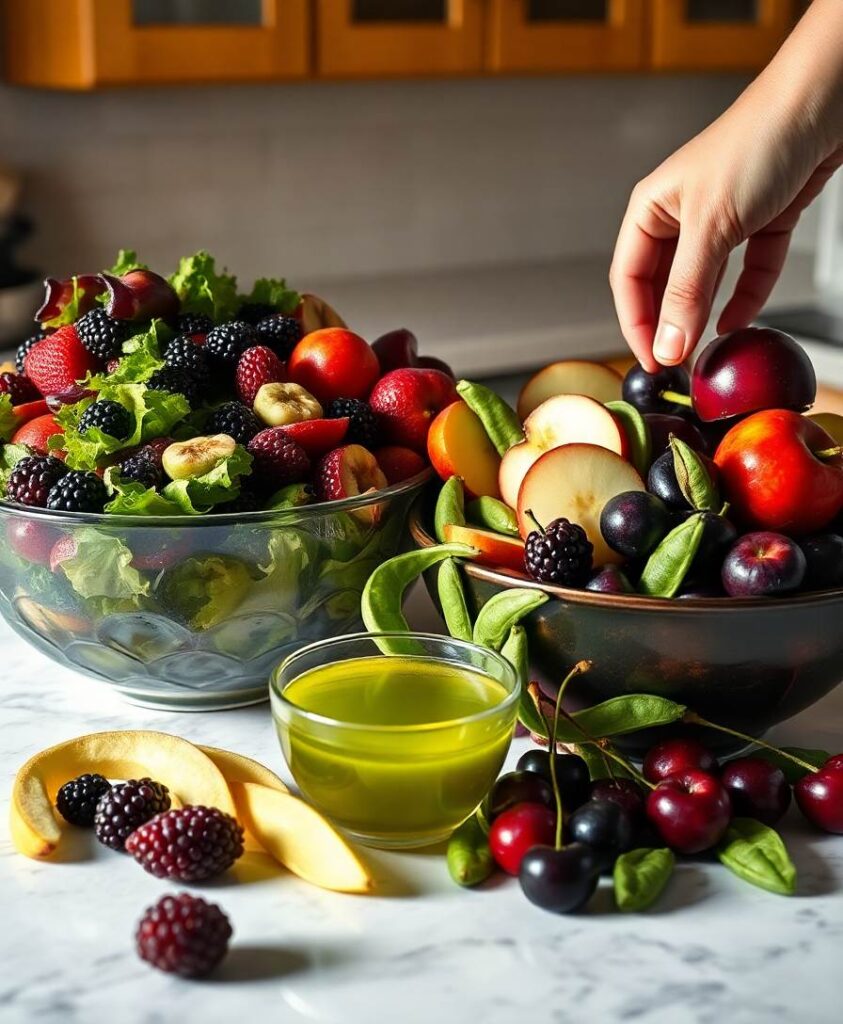
New research examines how different types of dietary fiber and indigestible plant proteins influence microbial behavior and metabolic output. The findings point toward practical ways to support the protective mucus barrier and encourage microbes to make compounds linked with resilience and reduced inflammation. These are not tiny effects confined to the intestine; they ripple outward to how our bodies respond to stress, infection, and aging.
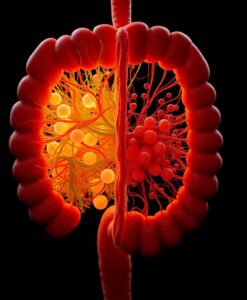
Understanding which foods feed beneficial microbes gives us tools to shape long-term well-being and inclusion in nutritional advice. The full article explores the experimental approaches researchers used and how specific fibers and plant proteins change microbial activity. Follow the link to see how these discoveries might alter dietary guidance and expand thinking about nutrition as a means to protect and empower everyone’s health.
Gut microbes need something to eat, and when fiber is limited, they may begin consuming proteins from the mucus lining that protects the gut. Researchers found that fiber can suppress this process, while indigestible plant proteins help microbes produce more beneficial compounds.