
As someone who watches how everyday choices shape health, I pay attention to evidence that links food chemistry to human outcomes. The compounds highlighted in this research belong to a class that can stick to bacterial surfaces and alter how microbes behave. If those effects hold up beyond the lab, they could expand noninvasive ways to support oral health, especially for people who have limited access to dental care or who are looking for low-cost, low-risk tools to complement brushing and flossing.
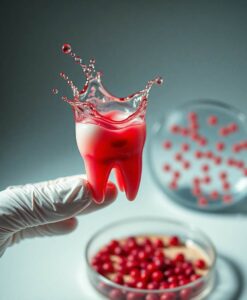
Follow the link to see how researchers tested these cranberry molecules and why the findings could matter for community health, preventive care, and inclusive approaches to preserving teeth across different ages and backgrounds.
Cranberry juice may offer an unexpected benefit beyond its reputation for helping prevent urinary tract infections: protecting teeth from decay. Researchers at the University of Illinois Chicago discovered that pure, unsweetened cranberry juice slowed the regrowth of dental plaque bacteria and reduced their production of acids that damage tooth enamel. The secret may lie in naturally occurring compounds called proanthocyanidins, which interfere with harmful bacteria.