

The surprising lead players are plant-derived molecules, including caffeic acid, rather than caffeine. These compounds bind to NR4A1 and change how cells behave under stress, hinting that components of whole foods can reshape cellular resilience. That idea matters because it shifts attention from single ingredients to the molecular conversations between what we eat and how our cells protect themselves.
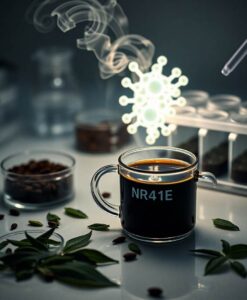
For anyone curious about aging, chronic disease, or how everyday choices affect biology, this study opens a new line of inquiry. Follow the article to see how activating NR4A1 might support human potential, whether through diet, new therapies, or more inclusive approaches to health that consider diverse lifestyles and food traditions.
Scientists may have uncovered one reason coffee is repeatedly associated with healthier aging and lower disease risk. Compounds in coffee appear to activate NR4A1, a receptor that helps protect cells from stress, inflammation, and damage. These protective effects disappeared when the receptor was removed, strengthening the connection. Surprisingly, plant-based compounds such as caffeic acid seemed far more active than caffeine itself.