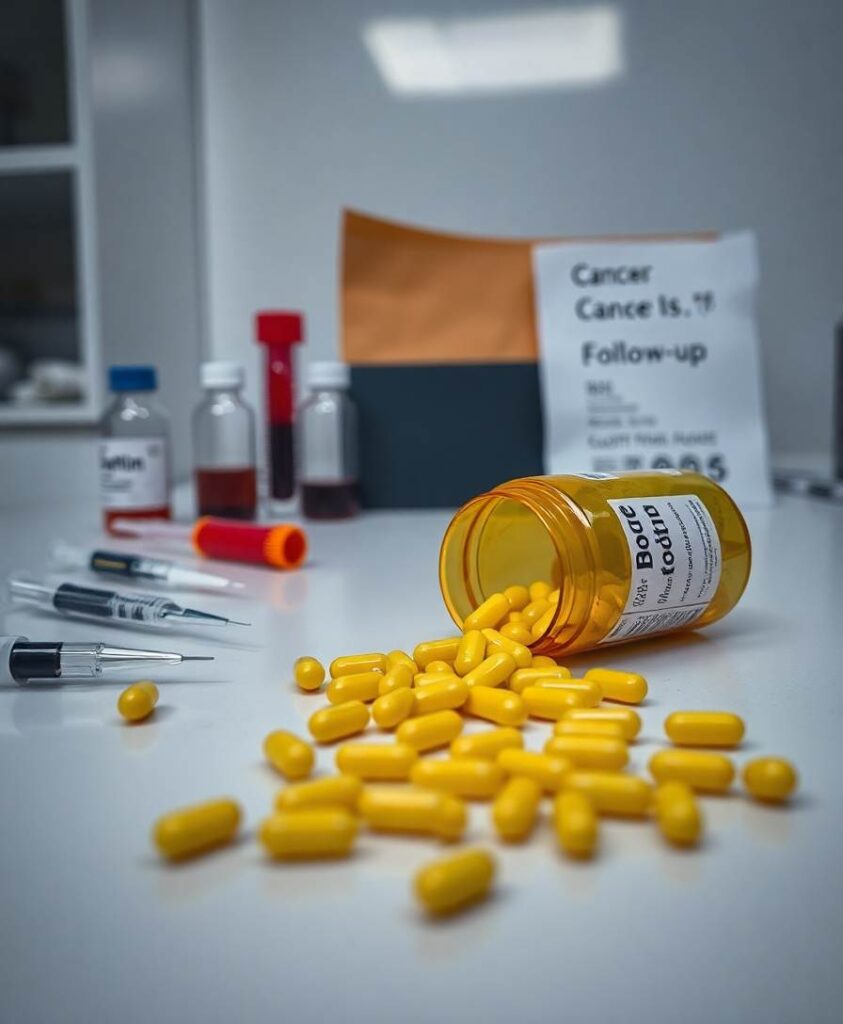
Scientists are exploring how high-dose intravenous vitamin C interacts with tumor biology and with standard treatments such as chemotherapy and radiation. Early trials and lab studies report signs of selective damage to cancer cells, fewer side effects for patients undergoing aggressive therapy, and hints of improved outcomes in specific contexts. Those signals are promising but preliminary; understanding who might respond, why, and how to combine vitamin C with other therapies will take careful clinical work.

This topic matters for anyone interested in expanding the tools available to people facing cancer, especially approaches that could reduce harm while supporting recovery. The idea that a simple nutrient can behave like a targeted agent invites deeper questions about dosing, patient selection, and mechanisms inside tumors. Follow the full article to see how researchers are testing these possibilities and what that might mean for more inclusive, practical advances in cancer care.
Linus Pauling was widely mocked for claiming that vitamin C could fight cancer, especially after trials using vitamin C pills showed no benefit. Researchers now know that intravenous vitamin C reaches vastly higher concentrations and can behave more like an experimental cancer drug than an ordinary supplement. Early studies suggest it may damage vulnerable cancer cells, reduce treatment side effects, and possibly improve outcomes for some patients.