

What makes this development important is that it treats brain activity as a dynamic, measurable state rather than a vague target. Clinicians can tailor stimulation to each person’s functional map, which may improve outcomes across diverse patients whose symptoms and brain signatures differ. For people who have not benefited from standard psychotherapies or medications, a precise, noninvasive option could change recovery trajectories and daily functioning.
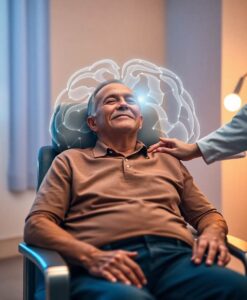
The implications reach beyond PTSD. If personalized modulation of network activity proves reliable, similar strategies could address depression, anxiety, and cognitive problems after injury. That raises practical questions about access, long-term effects, and how to integrate this technology with talk therapies and rehabilitation. Follow the full report to see how researchers measured change, who responded best, and what this could mean for making mental health care more precise and inclusive.
A newly FDA-cleared PTSD treatment uses personalized brain mapping and magnetic stimulation to target abnormal brain activity, with a clinical trial reporting a 52% reduction in symptoms and 68% remission. Researchers believe the technology could transform PTSD care and pave the way for more precise treatments for other mental health conditions.