The finding matters because sleep shapes memory, mood, and the brain’s ability to repair itself. Restoring lost sleep by tuning immune activity opens a different pathway for thinking about Alzheimer’s, one that focuses on the brain’s cellular environment rather than only on plaques. The work draws on careful experiments in mice and connects with growing evidence that inflammation and sleep are tightly linked across many brain conditions.
If you care about how aging, cognition, and care strategies could change, this study raises practical questions worth exploring. Could therapies that calm microglia improve daily functioning for people with Alzheimer’s? How might sleep restoration influence long-term outcomes, learning, or quality of life? Follow the link to read how this line of research could reshape efforts to support brain health and human potential.
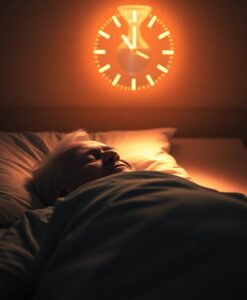
Researchers have uncovered a surprising culprit behind sleep loss in Alzheimer’s disease: the brain’s own immune cells. In mice with amyloid plaques, overactive microglia triggered inflammation that kept the brain from getting enough deep, restorative sleep. Temporarily removing most of these cells restored more than two hours of sleep per day, even though the plaques remained unchanged.