What matters for readers is how diet shapes recovery pathways in the liver and metabolism. When liver fat falls, the organ restores better control over glucose and lipid processing, which can reduce the progression toward diabetes and cardiovascular problems. The scale of change seen in the keto group points to mechanisms worth exploring further, including how low-carbohydrate eating affects insulin signaling, inflammation, and fat turnover inside liver cells.
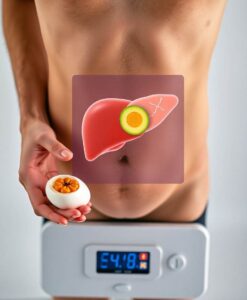
There are real-world questions that follow: who benefits most from a ketogenic approach, how sustainable it is, and what supports make it safe and effective over time. For anyone thinking about diet as a tool for restoring metabolic health and expanding human potential, this study raises practical and scientific threads worth pulling on. Click through to learn how these findings intersect with long-term growth, daily performance, and equitable access to effective nutrition.
A ketogenic diet outperformed Mediterranean and low-fat diets in several measures of metabolic health during a clinical trial involving people with obesity, prediabetes, and fatty liver disease. All three groups lost about 10% of their body weight, but keto reduced liver fat by 67%, compared with 45% for the other diets. About half of the keto group also no longer qualified as having prediabetes after four to five months.