

This finding matters because treatments that stimulate bone formation are rare, and most current options focus on slowing loss. Activating a single receptor that influences both bone-building cells and muscle function points to a coordinated approach to preventing frailty. If similar effects appear in humans, the approach could reshape how we address age-related fractures and mobility decline.
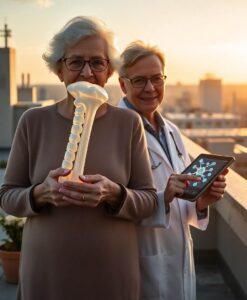
The broader idea here links molecular switches to real-life capacity: stronger bone and muscle mean fewer falls, faster recovery, and more independence as people age. Follow the full article to learn how this receptor works, what safety and delivery challenges lie ahead, and why translating a mouse finding into human benefit takes careful steps.
An experimental compound called AP503 significantly strengthened bones in mice by activating GPR133, a receptor that boosts bone formation while slowing bone loss. Because the same treatment has also been linked to stronger muscles, researchers see intriguing potential for combating age-related decline and osteoporosis.