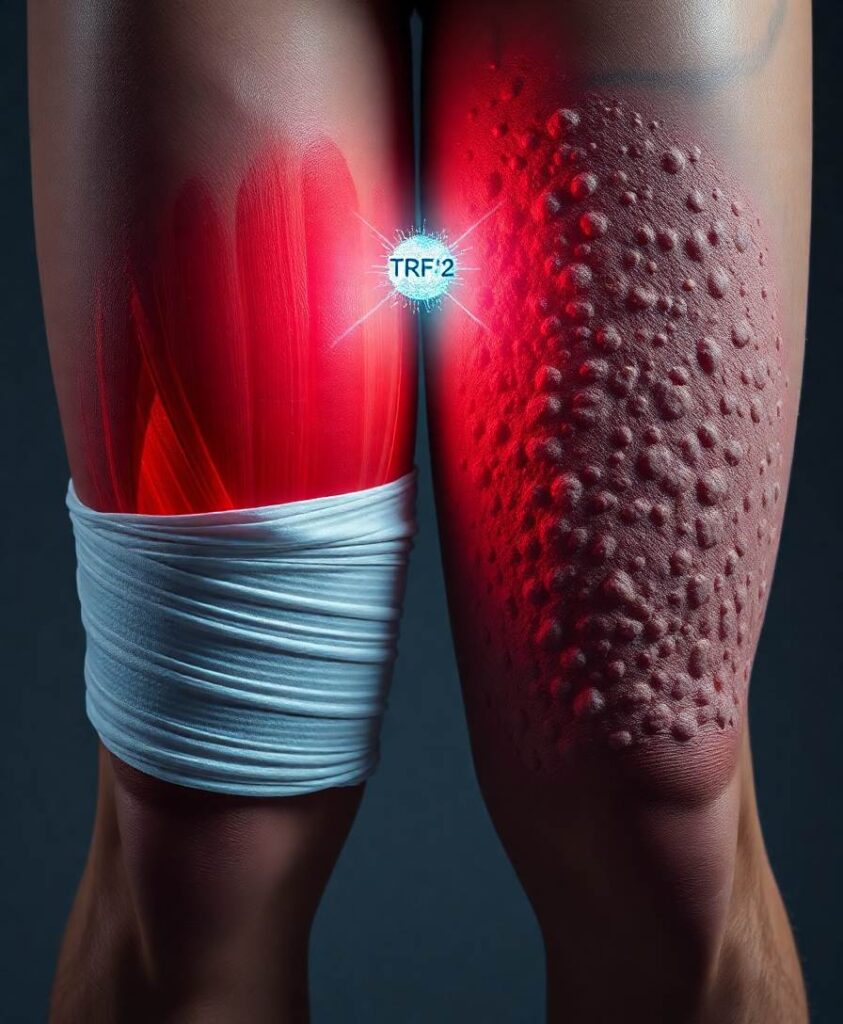

The findings matter because they open a path beyond weight loss numbers. Preserving muscle while increasing energy expenditure supports strength, mobility, and long-term health. Combining TOFA with GLP-1 drugs produced larger effects in animals, hinting at treatment strategies that amplify benefits without relying solely on appetite suppression.
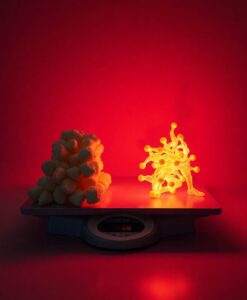
This line of research raises practical questions about safety, dosing, and how human biology will respond compared with mice. It also touches on equity: treatments that boost metabolic health could reshape who benefits from obesity care. Follow the full article to explore how an old compound might expand our tools for growth, resilience, and inclusive approaches to metabolic health.
A decades-old compound may point to a new way of treating obesity by making the body burn more energy rather than simply reducing appetite. In mice, TOFA increased energy use by as much as 18%, reduced body fat without significant muscle loss, and improved blood sugar, triglycerides, and fatty liver disease. It also produced stronger results when combined with GLP-1 drugs such as Ozempic, Wegovy, Mounjaro, and Zepbound.