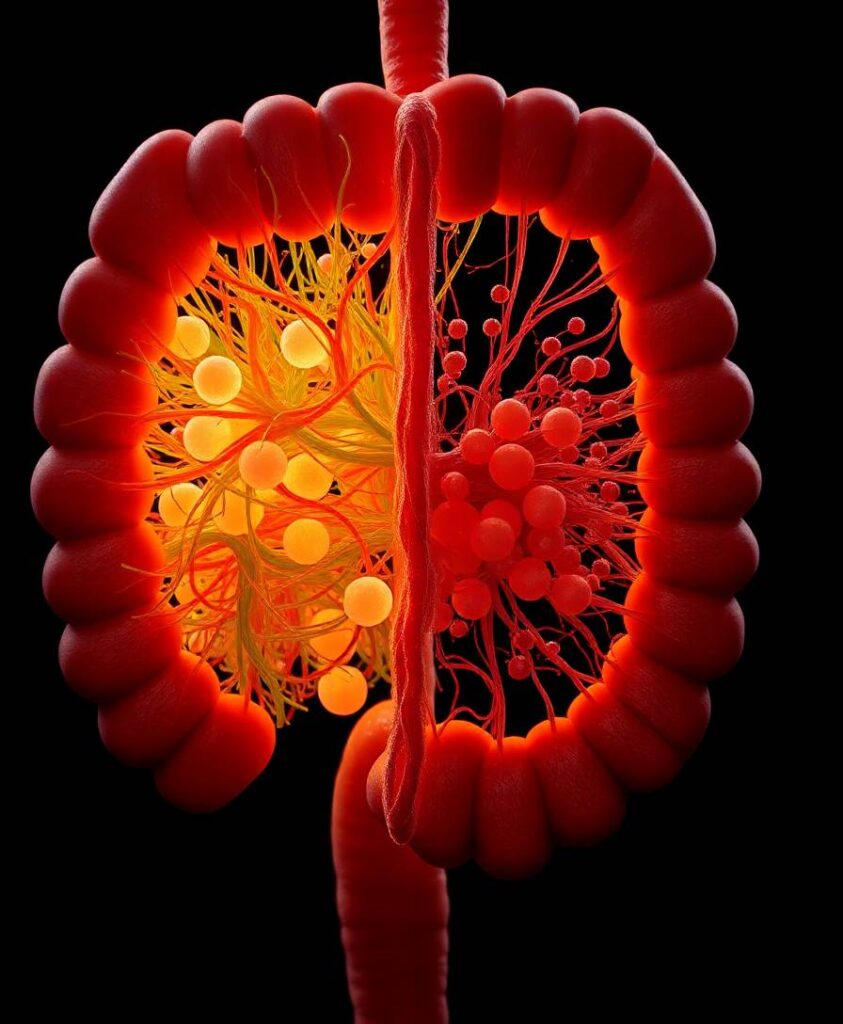

From a physiological perspective, plant-rich meals tend to be lower in calorie density and higher in fiber and water, which helps the body feel satisfied with fewer calories. That combination can shift energy intake without forcing willpower-heavy rules. For people who struggle with restrictive diets or who have limited time for planning meals, approaches that change the kinds of foods on the plate can be more practical and equitable.
Curious about how eating more plants can alter appetite signals and long-term health, or whether those benefits hold across different ages and backgrounds? The full paper explores mechanisms, study design, and what this could mean for programs aimed at improving public health and personal potential.
A low-fat vegan diet may help people lose weight without counting calories, shrinking portions, or feeling constantly hungry. In a 16-week clinical trial, people eating mostly fruits, vegetables, grains, and legumes consumed about 357 fewer calories per day even though the total amount of food they ate barely changed.