That shift matters for athletes, aging adults, and anyone recovering from injury. Stem cells must sense damage, exit a resting state, divide, and then return to rest with their original identity intact. TRF2 appears to help coordinate those steps so repairs rebuild muscle rather than replace it with weaker tissue. Seeing a chromosomal protein influence cell behavior in this way connects molecular biology to everyday outcomes like strength and mobility.
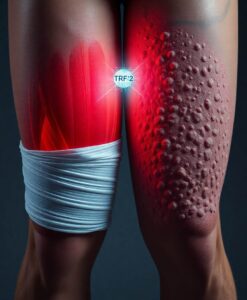
Explore the full article to find how these findings could change our approach to muscle disease, rehabilitation, and healthy aging. The work raises fresh questions about whether boosting TRF2 or its downstream pathways might preserve muscle quality and create fairer access to treatments that protect mobility across the lifespan.
A protein once thought to mainly protect chromosome ends may also be essential for keeping muscle stem cells ready to repair injuries. Researchers found that TRF2 helps these cells maintain their identity and coordinate the cycle of rest, repair, and renewal.