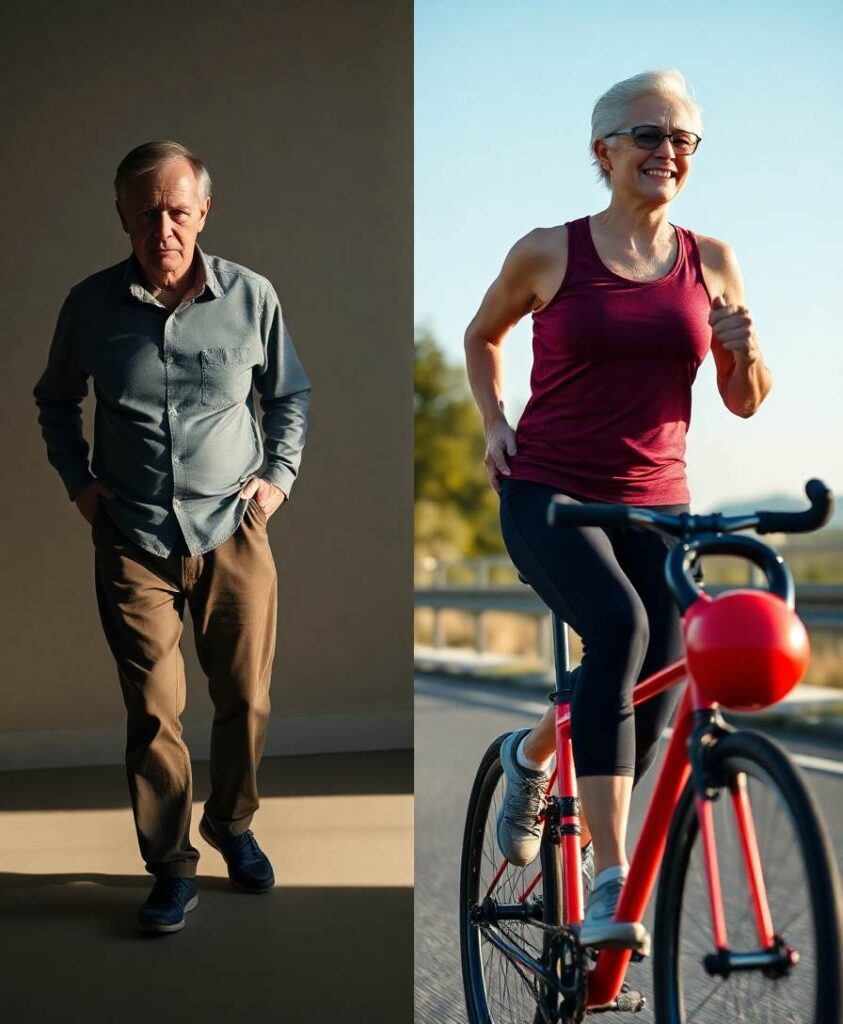

Designing inclusive programs means paying attention to small details that change an experience from confusing to empowering. Visual cues, consistent timing, and an emphasis on abilities rather than limitations make workouts understandable and rewarding. Thoughtful coaching also creates psychological safety so people with intellectual and developmental disabilities can try new challenges, recover from setbacks, and build routines that extend beyond the gym.
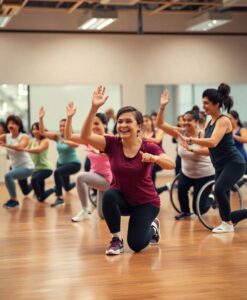
This topic matters because access to fitness affects health, social connection, and personal agency. Learning how to make exercise welcoming for a wider range of bodies and minds expands who benefits from movement and who belongs in fitness communities. Follow the link to explore practical approaches and real-world examples that show how inclusive coaching can increase independence, strength, and sense of belonging.
Creating inclusive fitness experiences for clients with intellectual and developmental disabilities requires practical coaching skills and a deep unde…