The finding that later-life activity can raise performance by as much as ten percent matters for everyday choices. Moving more in your 40s or 50s can change how you age, affecting energy, balance, and independence. This study adds weight to what clinicians and exercise scientists have observed: habits formed in midlife shape functional abilities in the years ahead.
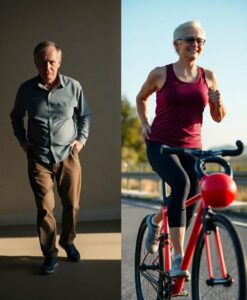
For anyone interested in staying capable and included as they age, the next question is what types of movement and how much are most effective. The full article links long-term data to practical implications for training, public programs, and personal routines. Click through to see how these results connect to human potential, fairness in access to fitness, and ways communities can support healthier lives at every age.
A groundbreaking Swedish study that tracked people for nearly 50 years has revealed when the body’s physical decline quietly begins. Researchers found that fitness, strength, and muscle endurance start slipping around age 35, with the decline accelerating over time. But there’s an encouraging twist: adults who became active later in life still improved their physical performance by up to 10 percent.