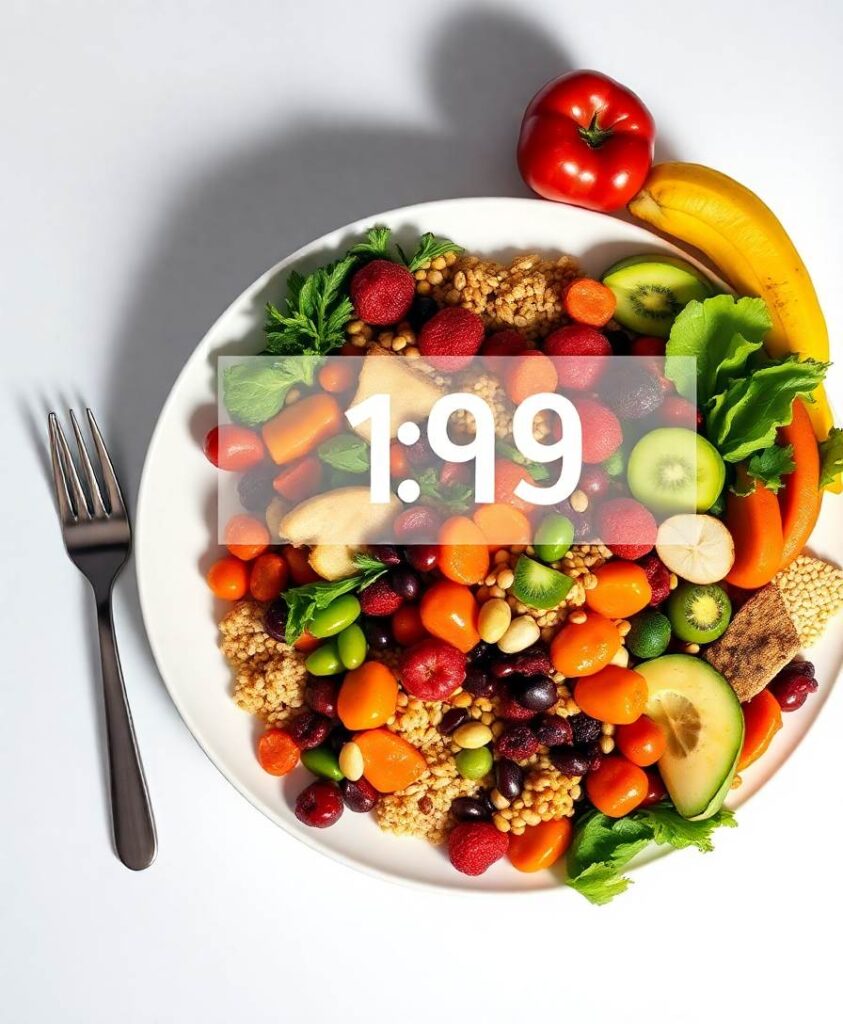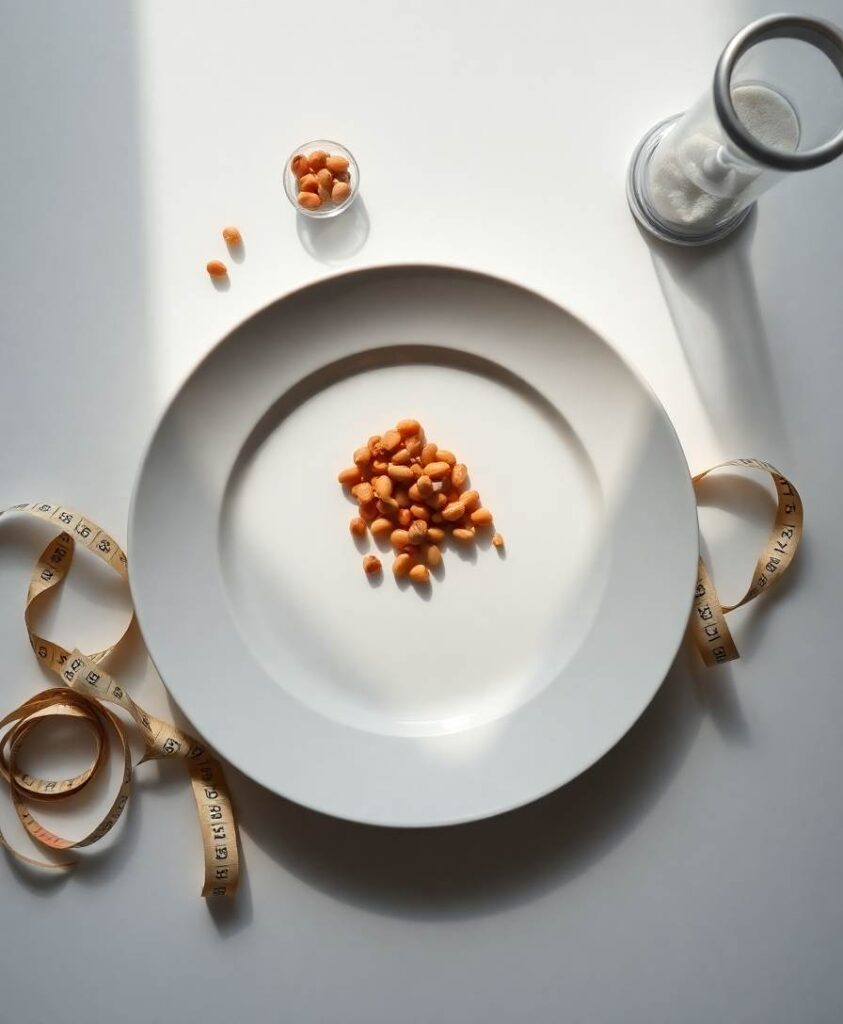

How much protein a person should eat depends on age, strength, and daily movement. Older adults and people doing resistance training often benefit from higher protein to preserve muscle and independence. For younger or less active adults, modest reductions in protein—particularly from processed or red meats—may improve insulin sensitivity and reduce the signals that accelerate cellular aging. These are broad patterns, not rules; genetics, health conditions, and lifestyle shape the right balance.
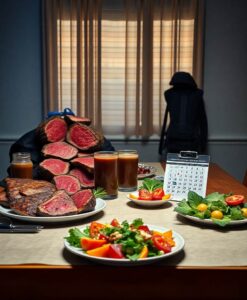
This topic connects directly to human potential: what we eat influences how long we stay strong, nimble, and mentally sharp. The review points toward dietary strategies that could extend healthy years, but it leaves open important questions about timing, sources of protein, and how changes interact with exercise and social factors. Follow the link to explore the evidence and decide which parts of this research might matter for your life stage and goals.
A major review of more than 350 studies suggests that eating less protein could slow aging, improve metabolic health, and potentially extend lifespan, challenging the widespread belief that more protein is always better. Researchers warn that many sedentary adults may be consuming too much protein, while emphasizing that individual needs depend on age and physical activity.