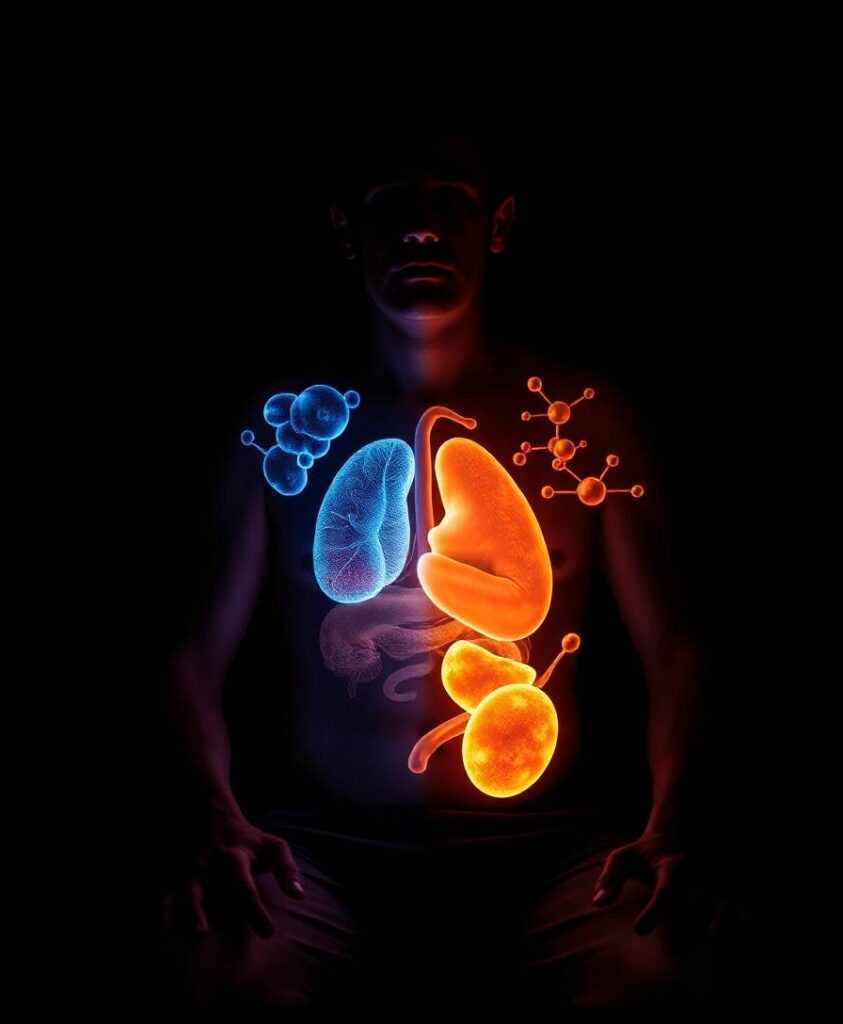
The timing matters. Substantial shifts become clear around the third day, a point when the body moves from short-term fuel use to longer-term strategies that preserve brain function and support cell maintenance. That transition raises questions about which pathways promote resilience and which could be targeted safely for people who cannot fast. Researchers are exploring whether specific molecules or drug-like interventions can recreate beneficial aspects of fasting without requiring people to undergo the full fast.

This topic connects to human potential because it touches on recovery, longevity, and equitable access to health strategies. Understanding the mechanisms behind fasting could lead to therapies that help people heal faster, age better, or gain metabolic flexibility regardless of background or ability to fast. Read the full study to see how these findings might translate into inclusive treatments and what steps scientists think are needed next.
Scientists found that prolonged fasting triggers major changes throughout the body, but many of the most interesting effects only appeared after about three days without food. The results suggest fasting may influence health in ways that go beyond weight loss and could eventually inspire treatments that mimic its effects.