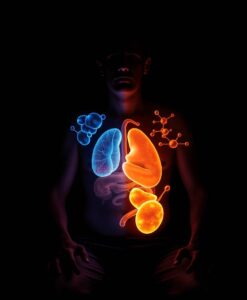
Tracking thousands of blood proteins over a seven-day water-only fast reveals that the most striking changes often arrive after about three days. That delay matters for anyone thinking about brief dietary tweaks versus longer fasting practices. The timing and pattern of protein changes offer clues about when protective processes—like cell cleanup and metabolic reprogramming—may become active across organs including the brain.
This research raises practical questions about how extended fasting could be used safely to support resilience and recovery, and who might benefit most. The findings connect to broader efforts to expand human potential by targeting aging, cognition, and inclusivity in health strategies. Follow the full article to explore how these molecular shifts unfold and what they might mean for personalized approaches to wellbeing.
Scientists have discovered that the human body undergoes a dramatic internal transformation during extended fasting, with major changes appearing only after about three days without food. In a seven-day water-only fasting study, researchers tracked thousands of proteins in the blood and found widespread shifts affecting organs throughout the body — including the brain. While the body quickly switches from burning glucose to fat, the most intriguing biological changes linked to potential health benefits didn’t emerge until later in the fast.