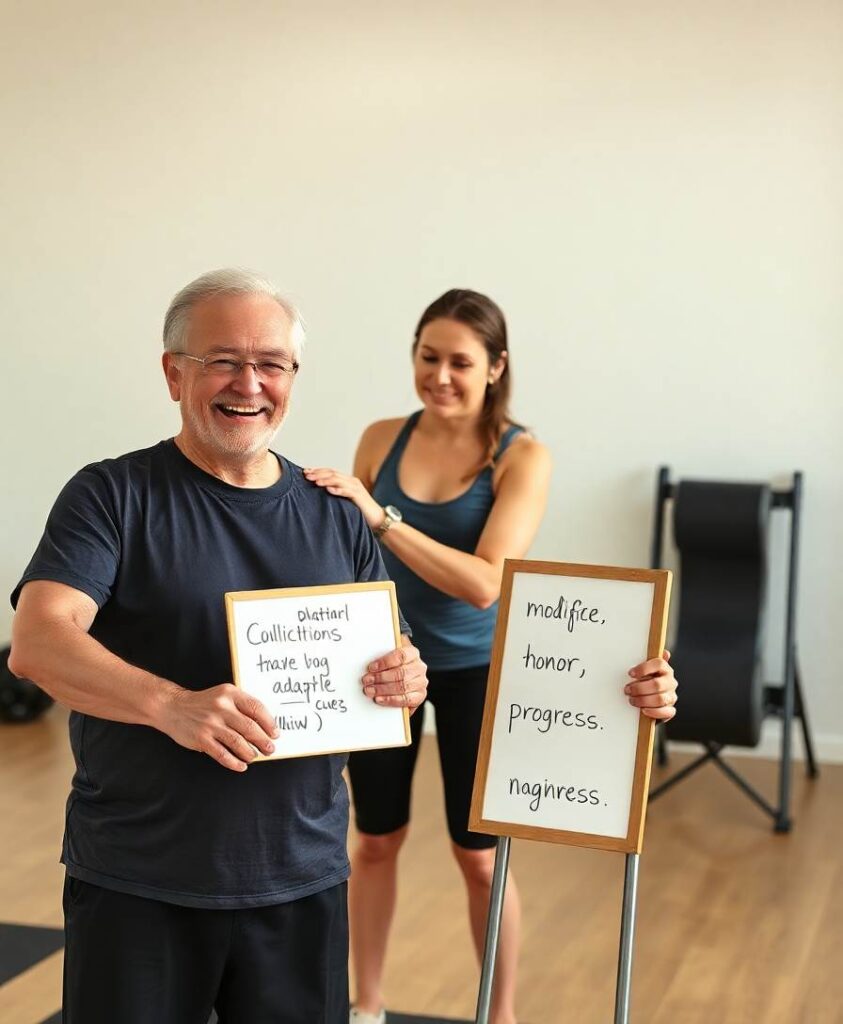
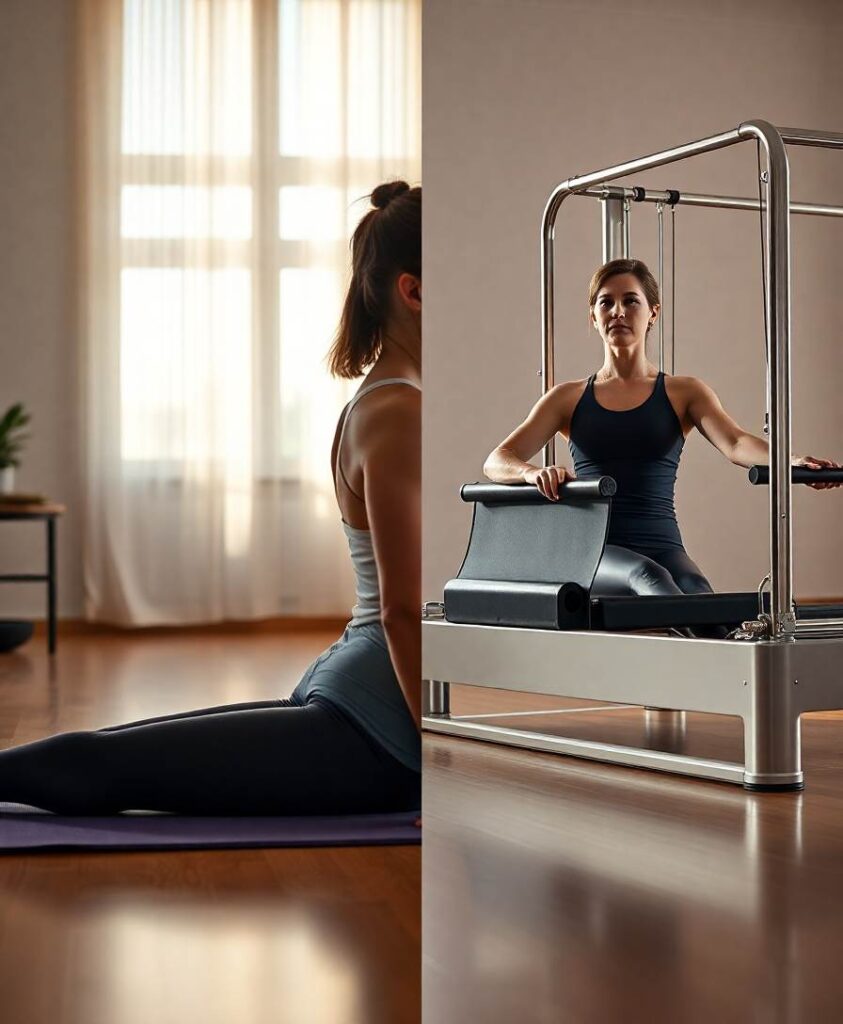
Good progressions are clear and repeatable so students feel steady improvement session to session. That steady structure helps people notice gains in control and confidence, which matters for long-term participation and for people rebuilding movement after injury. Attention to pacing, tactile feedback, and practical props can make a class feel inclusive without losing the essentials of Pilates technique.
Curious about the specific cues, modifications, and teaching strategies that help instructors do this work well? The article explores hands-on approaches and decision points that connect classroom choices to better outcomes for learners. Follow the link to discover techniques that support growth, rehabilitation, and wider participation in the practice.
Teaching mat Pilates requires modifying or progressing movements based on what you observe as participants move. Learn more about this practical appro…