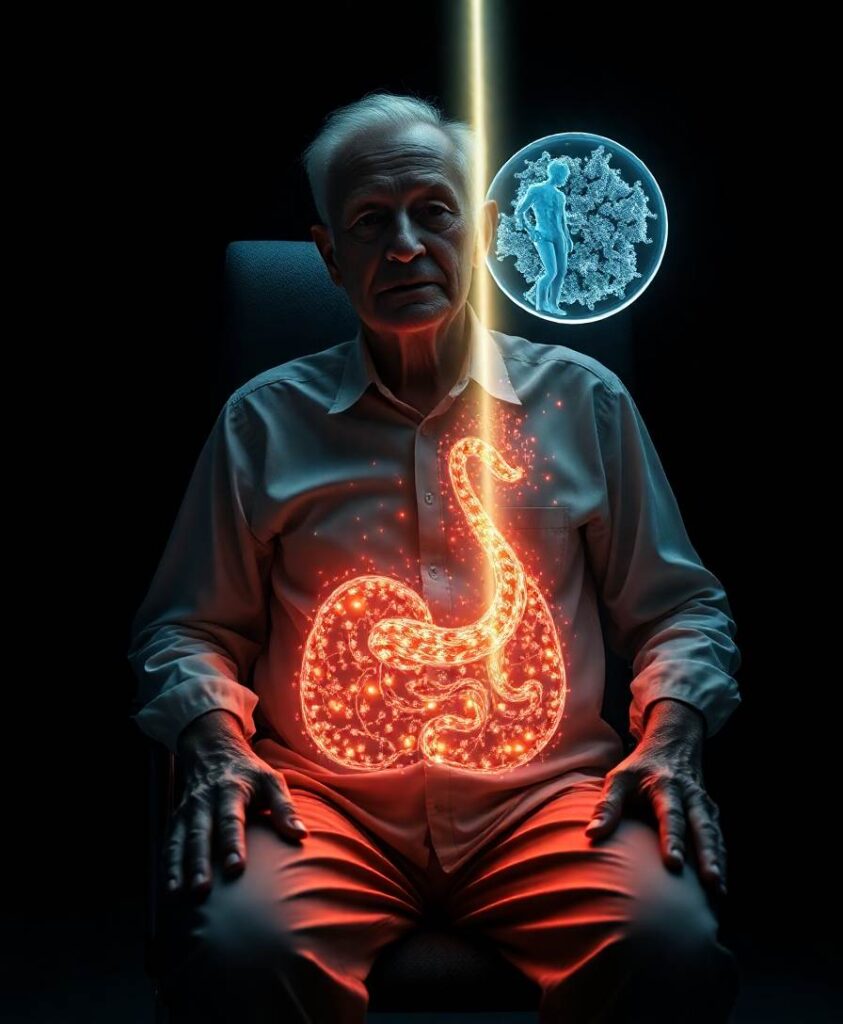
Interpreting microbial traces is complex, but this work uses careful measurements to connect specific metabolic changes with psychological outcomes. The patterns make sense with what we know about gut-brain communication: microbial metabolites can influence inflammation, neurotransmitter systems, and the vagus nerve. Seeing decaf tied to stronger learning and memory and caffeinated coffee tied to reduced anxiety and sharper attention suggests multiple mechanisms are at play, including caffeine’s direct effects and coffee’s array of bioactive compounds interacting with microbes.

This line of research matters because dietary choices are scalable tools for boosting human potential and supporting inclusion in everyday life. If common beverages alter mood and cognition through the microbiome, tailored nutritional strategies could help people in schools, workplaces, and clinics. Follow the full article to learn which microbial changes were observed, how researchers measured behavior, and what this could mean for personalized approaches to mental health and cognitive wellbeing.
A new study suggests coffee may influence mood and brain function by changing the activity of microbes in the gut. Both caffeinated and decaf coffee were linked to lower stress, depression, and impulsivity, while also producing measurable changes in gut bacteria and metabolites. Decaf was associated with better learning and memory, while caffeinated coffee appeared to reduce anxiety and improve attention.