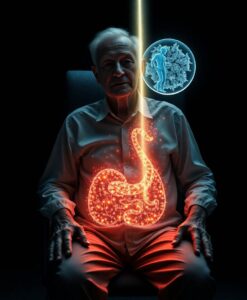
The study reports lower inflammation, less DNA damage, and an absence of liver tumors in older mice given a youthful microbiome. One molecular clue points to reduced activity of MDM2, a gene tied to cancer pathways, which may help explain why liver cells looked and behaved more like those from younger animals. These findings add to mounting evidence that microbes influence not only digestion but also the cellular machinery of distant tissues.
If microbes can remodel organ aging in animals, the next questions reach toward human biology, safety, and who might benefit. For people interested in healthier aging, this work suggests new directions for therapies that support both microbial diversity and tissue repair. Follow the full article to see how this line of research could reshape ideas about prevention, recovery, and inclusive access to treatments that enhance human potential across the lifespan.
Rebooting the gut microbiome with bacteria from youth may help stop aging-related liver damage and even prevent liver cancer, according to new research in mice. Older mice that received their own preserved youthful microbiome showed less inflammation, reduced DNA damage, and no signs of liver cancer. Researchers also found that the treatment suppressed a cancer-linked gene called MDM2, making older mice biologically resemble younger ones.