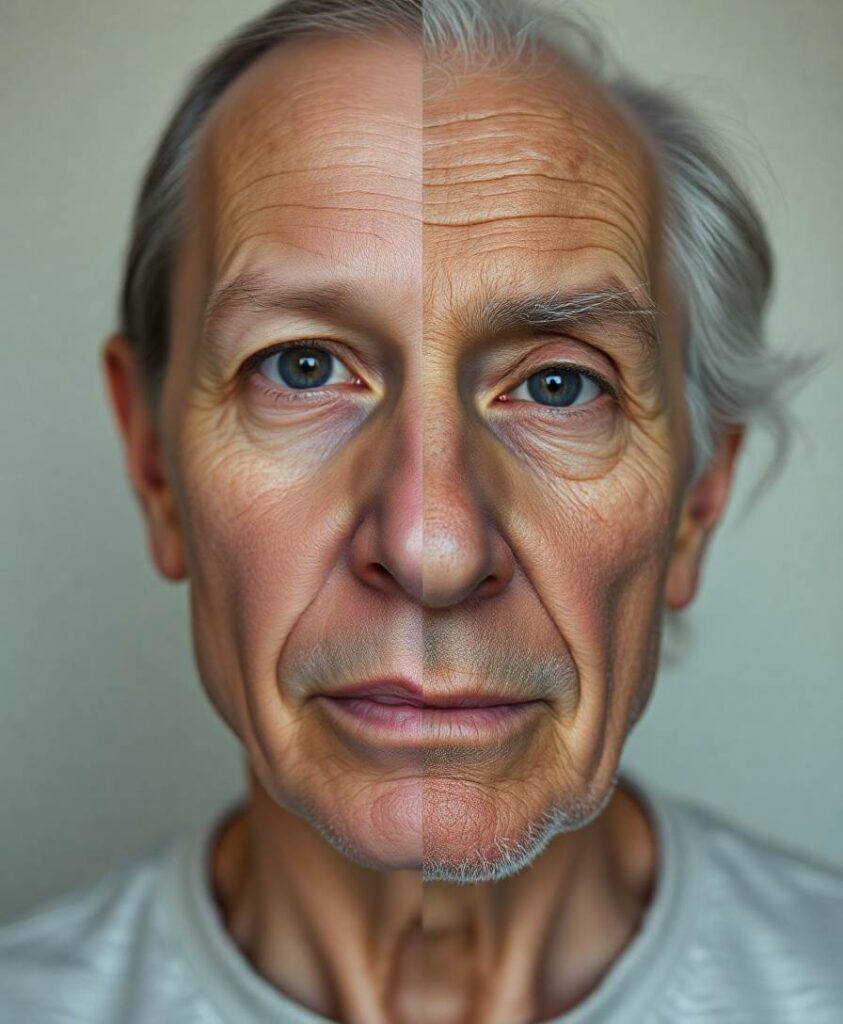
This case is unusual because she lacked the major chronic diseases that usually shape studies of the old. Researchers could therefore separate markers of pure aging from the effects of illness. Findings such as low systemic inflammation, a gut microbiome full of beneficial species, and genetic traits linked to resilience point toward biological features that might preserve function even when some tissues show advanced aging.

For people curious about human potential, this study suggests aging is not governed by a single clock but by interacting systems that can age at different speeds. The results invite fresh thinking about interventions that might strengthen protective factors rather than only trying to slow every sign of decline. Follow the full article to explore how these dual patterns of aging and protection could reshape approaches to healthy longevity and inclusion across the lifespan.
A remarkably detailed study of Maria Branyas, who lived past 117, reveals that extreme longevity may involve both intense aging and powerful biological protection at the same time. Researchers found signs of advanced aging, but also low inflammation, beneficial gut bacteria, protective genetic features, and a biological age younger than her chronological age. Because she avoided major disease, the study offered a rare look at aging itself rather than the illnesses that often accompany it.