

As we age, those maintenance systems lose resilience. The new two-stage idea describes a quiet phase of damage followed by a later phase in which weakening controls allow damaged cells or tissues to expand and cause disease. That timing could explain why cancer, osteoarthritis, and viral reactivations like shingles suddenly appear decades after the original insult. Understanding this process changes where scientists look for prevention and could shift attention toward earlier detection and long-term maintenance strategies.
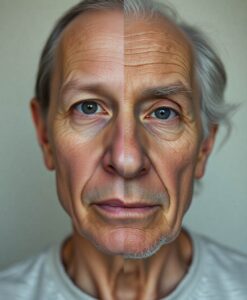
For people interested in healthier lifespans and fairer access to care, this theory matters. It suggests interventions aimed at preserving repair capacity or catching hidden damage early might reduce the late-life burden of chronic illness. Click through to explore the study and see how its findings might reshape efforts to extend healthy years and make care more inclusive for diverse communities.
A new theory suggests many age-related diseases may actually start decades before symptoms appear. Researchers say early-life damage — from infections, injuries, or genetic mutations — can remain hidden until aging weakens the body’s ability to keep it under control. This could explain why conditions like cancer, osteoarthritis, and shingles suddenly emerge later in life.