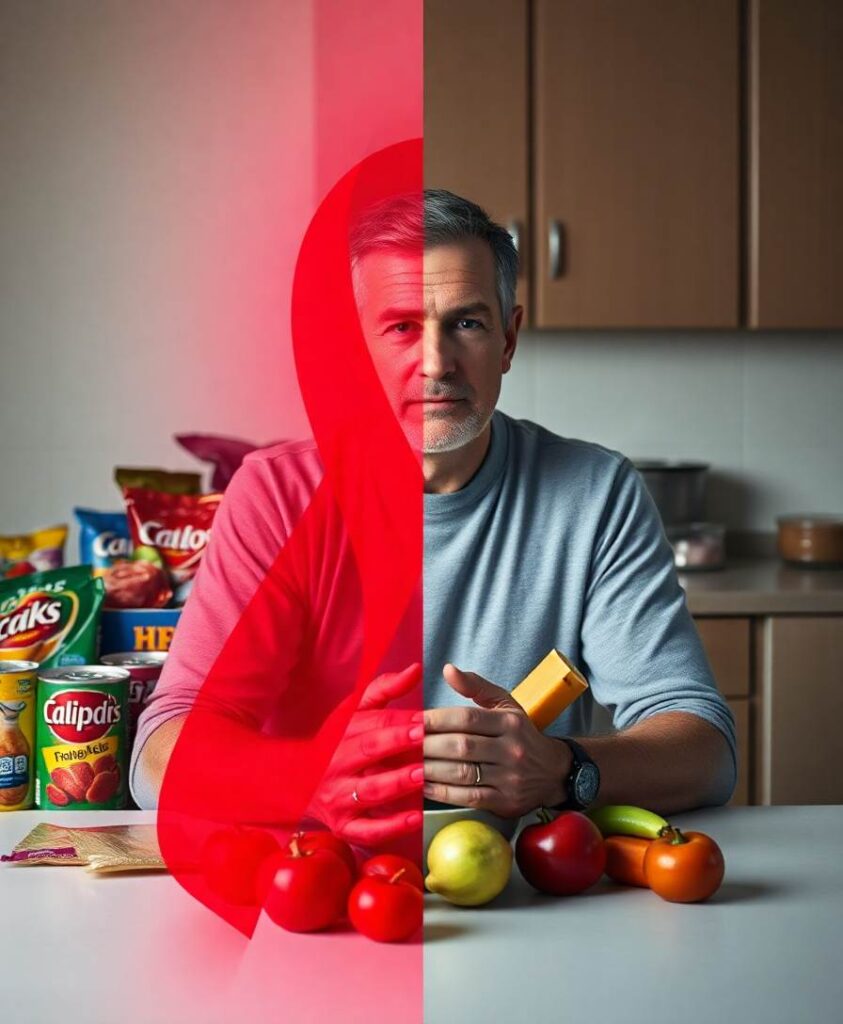

Where someone lives and the resources around them shape whether a cancer diagnosis becomes a survivable condition or a devastating outcome. Access to early detection, affordable care, and trained clinicians varies widely between and within countries, so the coming increase in cases will likely deepen existing gaps unless policymakers and health leaders act with data and urgency. Practical investments now can change outcomes for millions later.

Understanding these trends matters for anyone thinking about health, work, or community planning. The headline number is alarming, but the deeper story is about how societies use evidence, technology, and equitable policy to protect human potential as populations change. Read the full study to explore how projected case rises connect to prevention, care capacity, and strategies that could make a real difference.
Cancer is becoming an even larger global health threat, with nearly 21 million people diagnosed and 9.8 million dying from the disease in 2024. New estimates suggest about 1 in 5 people worldwide will develop cancer during their lifetime, while cases could climb by 67% to 34 million by 2050 simply because populations are growing and aging.