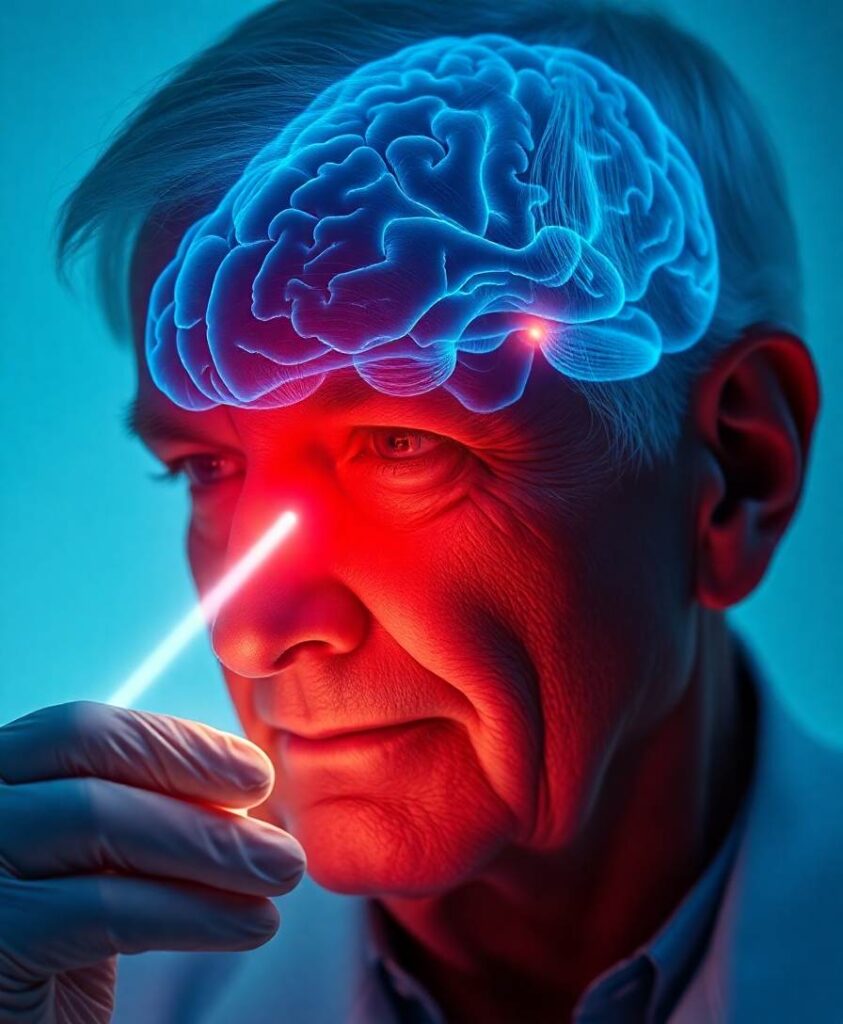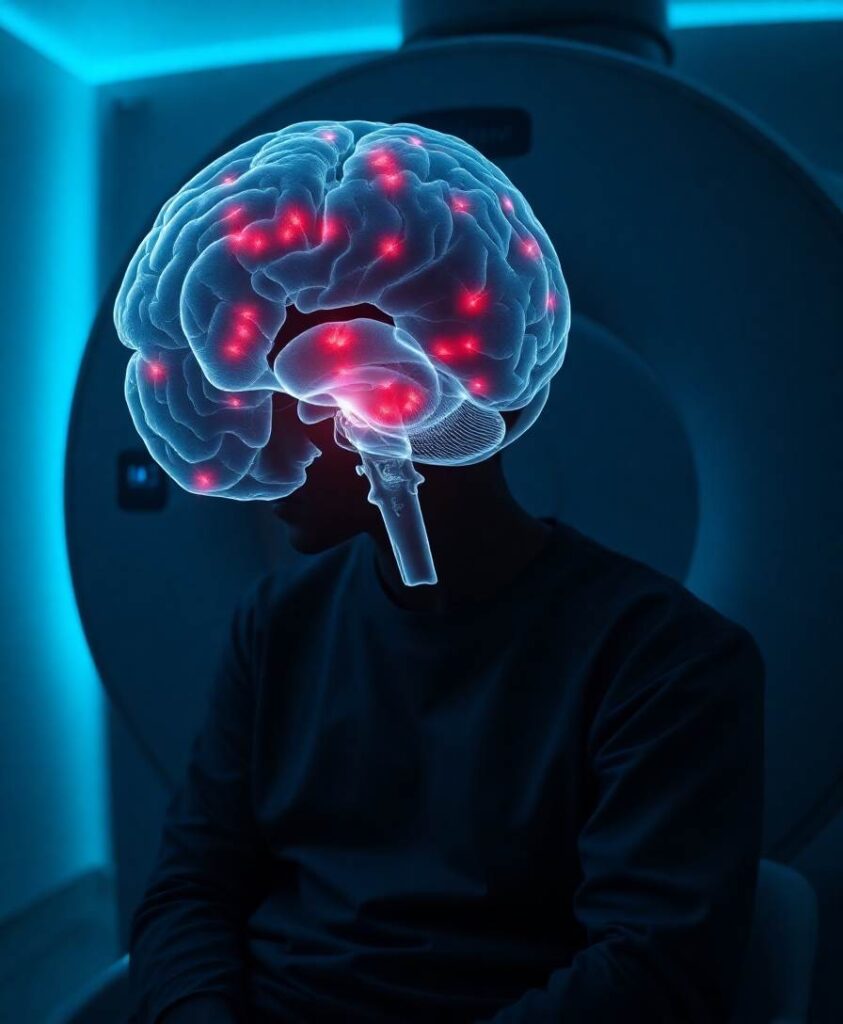

This line of work draws on decades of neuroscience about how dopamine circuits shape motivation and cognitive speed. The scans used in the study offer a window into living brain chemistry, not just damage seen after death or inferred from behavior. That makes the findings useful for designing clinical trials and for tailoring rehabilitation that strengthens specific neural systems linked to effort, attention, and memory.

If the link between long COVID and impaired dopamine signaling holds up, it could change how clinicians test and treat persistent post-COVID problems, moving care toward targeted therapies and more personalized recovery plans. Follow the full article to see how researchers measured these changes, what they hope to test next, and what this could mean for people seeking to reclaim energy, clarity, and everyday function.
Researchers have found evidence that long COVID may damage dopamine releasing neurons in the brain, potentially explaining persistent fatigue, low motivation, slowed movement, and memory difficulties. The discovery could lead to new treatments that target the brain’s dopamine system.