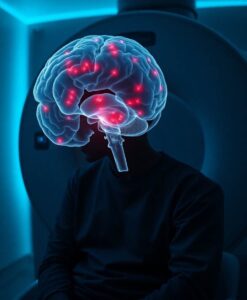

The scans revealed heightened activity in brain areas tied to mood and emotion among those with the worst symptoms. That pattern suggests the brain’s response to prolonged illness can take the form of altered neural signaling rather than an obvious inflammatory attack. Understanding which circuits are involved gives clinicians clearer targets for therapies that support emotional regulation, sleep, and cognitive function.
This research invites fresh questions about how prolonged physical illness reshapes everyday thinking and feeling, and how social supports, rehabilitation, and tailored treatments might restore function. Follow the link to read the full article and find out what these imaging results imply for recovery strategies and for making care more responsive to people whose lives are still disrupted months after infection.
A new brain imaging study has found no evidence of widespread brain inflammation in patients suffering from prolonged symptoms after COVID-19 infection. Instead, the most severe long COVID symptoms were associated with increased brain activity in regions involved in mood and emotion.