

For patients and clinicians, the finding suggests new ways to think about diet and treatment. If certain compounds accumulate or trigger inflammation in vulnerable intestines, altering what someone eats or restoring microbes that break the compound down could reduce flares. That idea builds on decades of research linking diet, the microbiome, and mucosal healing; the new work adds a specific target that could guide personalized nutrition or microbial therapies.
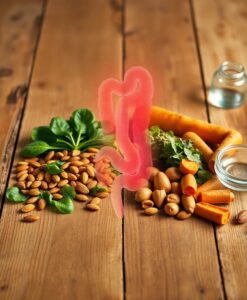
The paper raises practical and scientific questions worth exploring: which people are most affected, how much dietary change is needed, and whether microbes can be taught to neutralize the compound. Follow the full article to see how this line of research connects to human potential, offering paths toward kinder, more inclusive care for people whose bodies react differently to everyday foods.
A natural compound found in foods such as spinach, almonds, and sweet potatoes may aggravate gut inflammation in people with Crohn’s disease and ulcerative colitis because their intestines appear to handle it differently. Researchers say the finding could open the door to lower-oxalate diets or microbiome treatments tailored specifically to people with IBD.