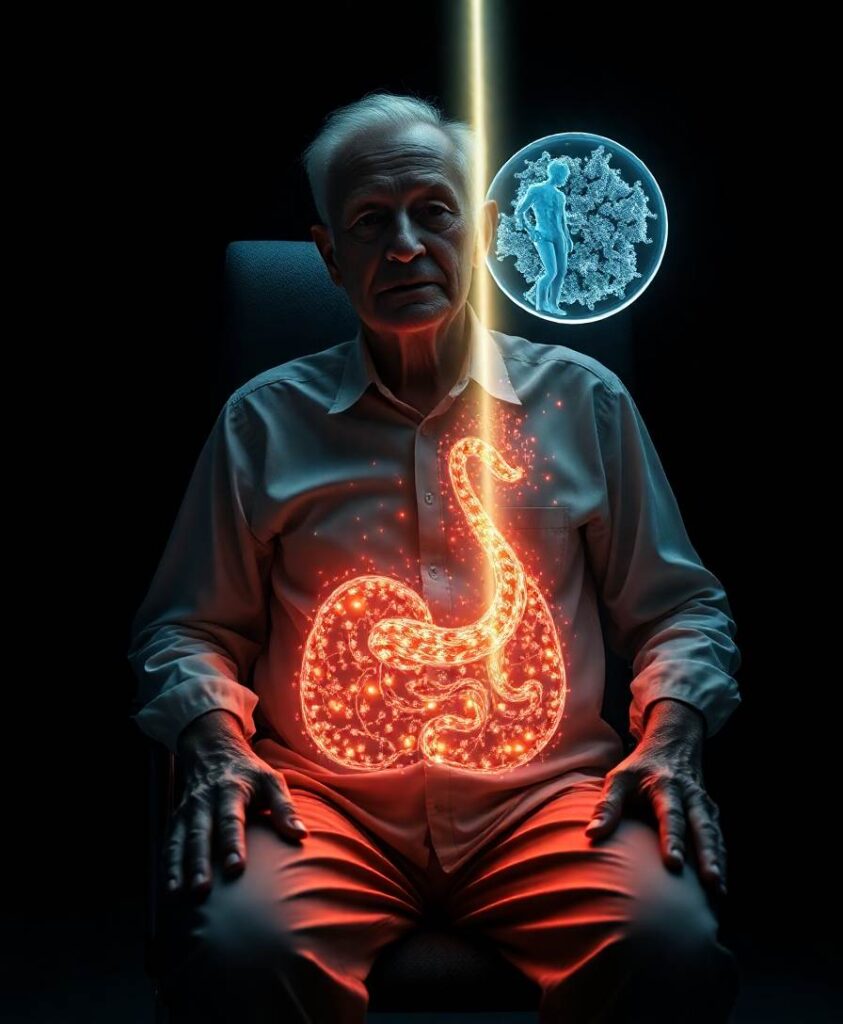
The study also tested sweeteners alongside common compounds like caffeine, flavorings, and prescription drugs. In many mixtures, bacterial responses shifted in surprising directions. One standout example paired isosteviol with the antidepressant duloxetine and produced pronounced losses in beneficial bacteria and overall diversity, a trait often linked to poorer gut resilience.
Researchers still need to confirm these patterns in people, but the findings point to an overlooked way food chemicals interact with medicine and our microbiome. Thinking about how what we eat combines with what we take could change recommendations for diets, prescriptions, and product formulations. Follow the link to see the experimental details and consider how this work might influence health, equity, and access to safer food and drug guidance.
A large laboratory study found that many commonly used sweeteners can directly change the growth of gut bacteria. Researchers identified more than 100 cases in which sweeteners behaved differently when combined with medications, caffeine, or flavorings. The combination of isosteviol and the antidepressant duloxetine was especially disruptive, reducing beneficial bacteria and overall microbial diversity.