

Researchers point toward social ties and mood as part of the explanation, but the finding invites a deeper question: how do activities that feed curiosity and belonging show up in cells, immune function, or physical resilience? Scientists are still untangling cause and effect, and rigorous follow-up studies will need to test whether cultural engagement produces measurable changes over time or simply marks people who already have healthier lifestyles and resources.
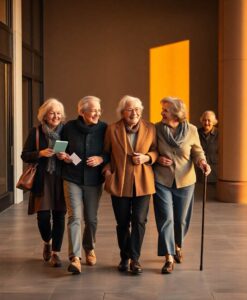
This topic matters because healthy aging influences how long people remain independent, creative, and included in their communities. Thinking about museums, theaters, and cinemas as potential public-health tools shifts the conversation from medical interventions to everyday opportunities for well-being. Click through to read the study and consider what it might mean for policies, urban planning, and personal choices that expand access to the cultural life that helps people thrive.
Going to the cinema, visiting museums, or attending concerts may do more than entertain. Researchers found that older adults who regularly participated in cultural activities tended to have bodies that functioned like those of people about three years younger. They believe stronger social ties, better mental health, and healthier habits could help explain the link, although more research is needed to determine whether cultural activities directly slow aging.