The study used lab models to test how different microbes behave when exposed to nanoplastics under intestinal conditions. One kimchi-derived strain kept a strong hold on those particles while other common bacteria did not. Those results point to a biological mechanism worth exploring further, rather than a dietary cure-all. Understanding whether a food-derived microbe can alter microplastic fate could open pathways for preventive strategies that are safe, affordable, and accessible.
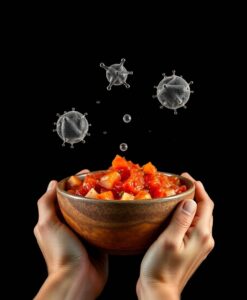
If microbes from fermented foods can reduce the body’s burden of environmental contamination, the implications touch public health, diet, and equity. This line of work raises practical questions about how to translate lab findings into real-world benefits and who might gain most from them. Read the full article to see how researchers tested this interaction and what it could mean for future studies on human potential, resilience, and inclusion in a polluted world.
Scientists in South Korea have discovered that a probiotic bacterium found in kimchi may help the body flush out tiny plastic particles before they can build up in organs. In lab tests, the kimchi-derived microbe clung tightly to nanoplastics even under conditions designed to mimic the human intestine, where other bacteria quickly lost their grip.