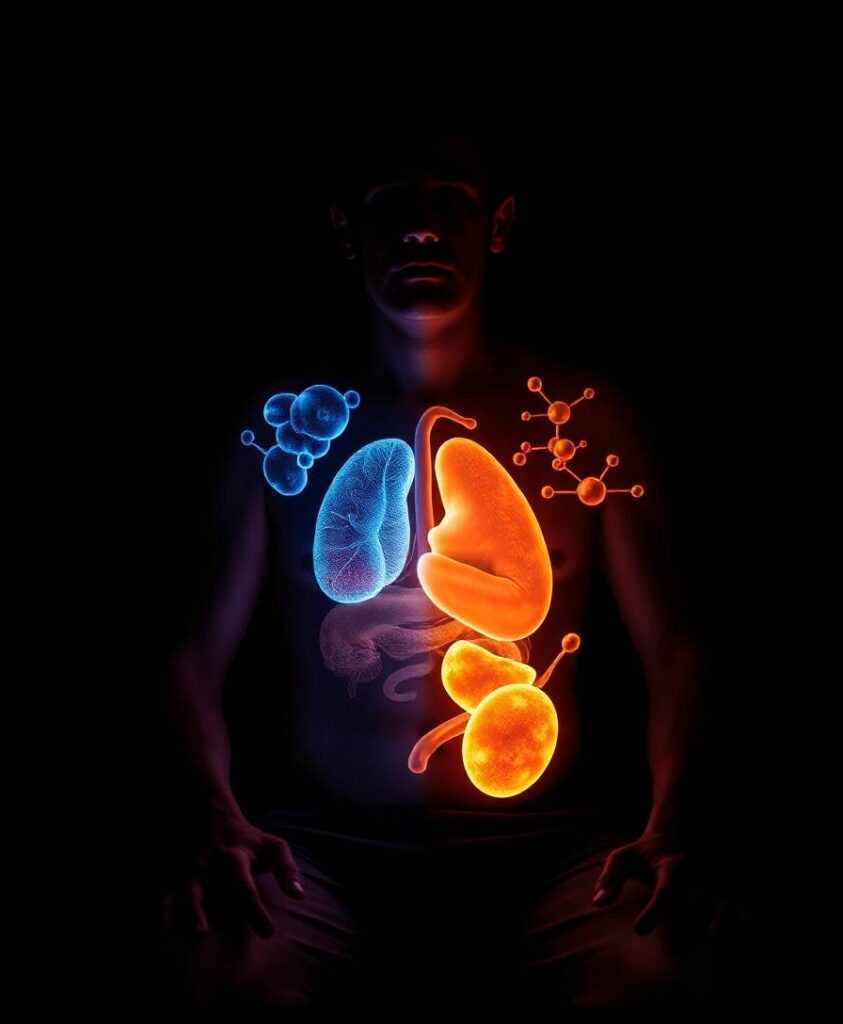

The most striking part is not the weight loss alone but the coordinated shifts across systems. Changes in gut microbes lined up with improvements in insulin and cholesterol, while brain scans showed altered responses in regions that register reward and regulate behavior. Those linked changes hint at pathways by which eating patterns might reshape how we experience hunger and make choices around food.
For anyone curious about human potential, this work opens a door to new ways of supporting healthier lives. Understanding how timed eating can nudge the microbiome and brain together could inform more inclusive strategies for weight management that go beyond willpower. Follow the link to see how these findings might change approaches to diet, cognition, and long-term health.
Losing weight may involve rewiring the gut and the brain at the same time. In a study of obese adults, an intermittent fasting-style diet led to significant weight loss, healthier metabolic markers, and notable shifts in gut bacteria. Brain scans also revealed changes in regions tied to appetite, cravings, and self-control. The results suggest the gut microbiome and brain may work together to influence weight-loss success.