The experiments link a protein tied to aging with reduced cartilage repair, and blocking that protein led to surprising regrowth in old animals. Samples from human joints displayed similar signs, which means the mechanism may matter beyond the lab dish. For people, this could change the way we treat torn menisci and worn joint surfaces—shifting care from replacement and pain control toward coaxing the body to rebuild itself.
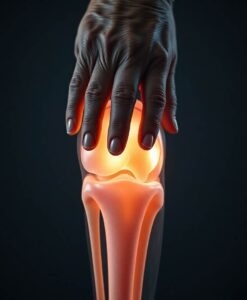
This work matters for anyone who wants to stay active into later decades, for surgeons who aim to preserve tissue, and for communities where access to joint replacement is limited. Follow the full article to explore how researchers mapped the pathway, whether the approach might be safe in people, and what steps lie between mouse success and a therapy that could expand mobility and inclusion across lifetimes.
A new treatment that blocks an aging-related protein restored lost cartilage in old mice and helped prevent arthritis after knee injuries. Human cartilage samples showed similar signs of regeneration, raising hopes for a future drug that could repair joints instead of replacing them.