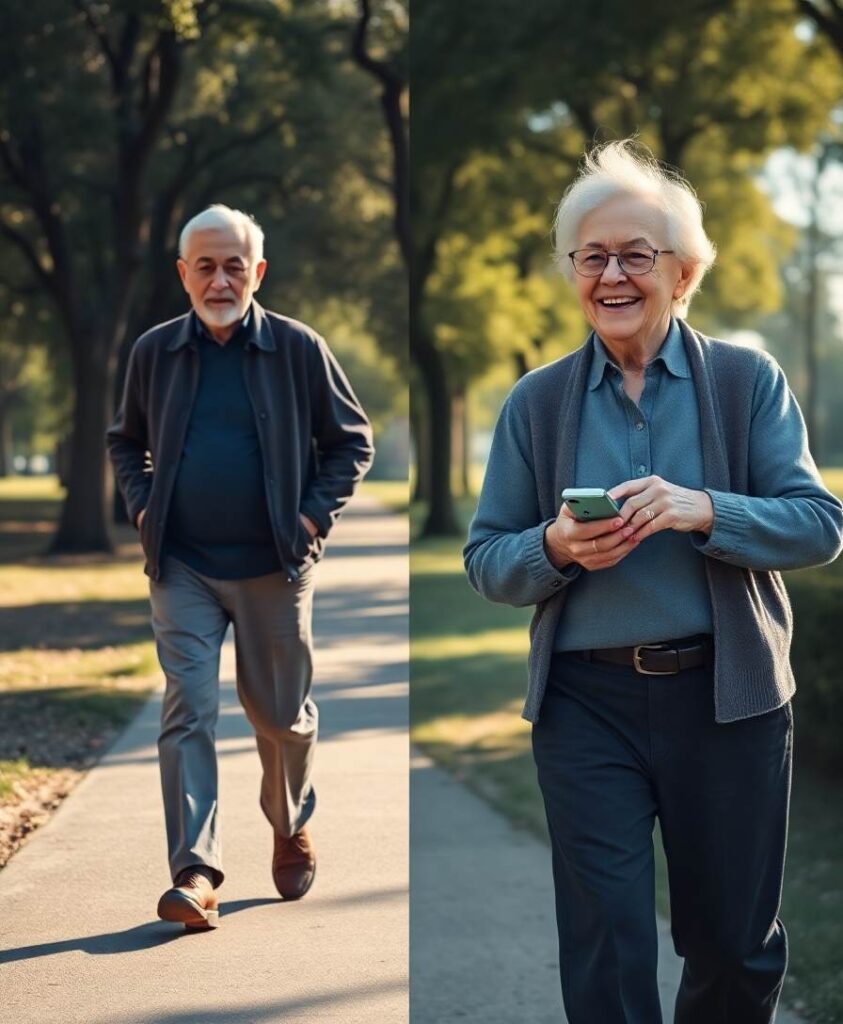
Researchers who study aging and cognition are paying attention because these findings point to low-cost ways to support independence. The fact that improvements appeared after only three weeks suggests short interventions can shift daily experience. For clinicians and caregivers, the result raises practical questions about how to design supportive routines that harness attention and motivation without relying on drugs. For people approaching retirement or helping older relatives, the implication is that small behavioral changes can matter.

Curious readers will want to know how a known-inactive pill might still spark change and which kinds of memory or physical tasks were affected. There are deeper questions about why some people respond more than others and how long benefits last. Follow the full article to explore how this line of research connects to maintaining potential, dignity, and inclusion as we age.
Healthy older adults experienced measurable improvements in memory, physical performance, and stress after taking placebo pills for just three weeks. The most surprising finding was that the placebo often worked even when participants knew the pills were completely inactive.