The study links outlook to outcome: people who treated getting older as a hopeful chapter were more likely to improve over time. That pattern raises useful questions for anyone who works with older adults or plans for their own later years. It suggests that social attitudes, everyday environments, and health systems could play roles that go beyond genes.
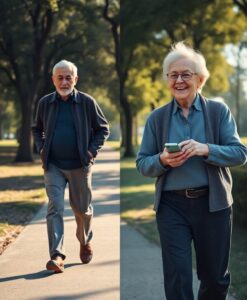
Curious readers will want to explore the article to see which kinds of improvements appeared, how researchers measured them, and what this means for building more inclusive communities that support growth across the lifespan. The findings open a path toward practical changes that could help many people experience aging as a period of continued development.
A long-term Yale study is challenging one of the biggest myths about aging. Nearly half of adults over 65 improved physically, mentally, or both over time, despite the common belief that aging means constant decline. Researchers found that people with more positive attitudes about getting older were significantly more likely to show these gains.