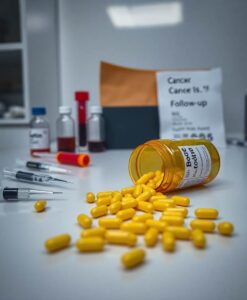
I’ve reviewed clinical reports and spoken with oncologists who see this pattern: patients self-prescribe over-the-counter vitamins without realizing how those pills interact with diagnostic tools. Lab assays vary, so a harmless daily vitamin for one person can cause a false reading in another. For people facing cancer, small errors in test interpretation can create big consequences for timing and type of care.
If you or someone you care for is undergoing treatment, it’s worth asking the care team about supplements before taking them. The full article explores which tests are affected, how long biotin stays in the system, and practical steps patients and clinicians can take to avoid confusion. Learning these details helps protect health decisions and keeps attention on recovery and quality of life.
Many cancer patients turn to biotin supplements hoping to restore hair lost during treatment, but experts warn the popular vitamin may do more harm than good. While biotin is often marketed for stronger hair and nails, there’s little evidence it actually helps cancer-related hair loss—and it can dangerously interfere with lab tests. Doctors say the supplement can distort key blood markers, potentially masking cancer recurrence or delaying treatment decisions.