

These engineered molecules combine features of vitamin K and vitamin A-related chemistry to change how cells respond to growth signals. That molecular redesign matters because small chemical changes can tilt a cell’s choices about survival, division, and specialization. The work uses methods from chemistry and stem cell biology to probe how nutrients and signaling pathways interact in a living brain, a line of inquiry that bridges bench science and the practical goals of regenerative neurology.
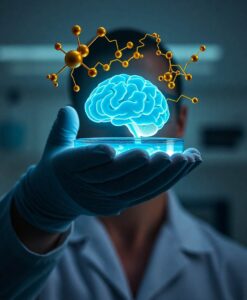
If compounds like these prove safe and active in people, they could open pathways for therapies that support brain repair rather than only slow decline. For anyone interested in the future of human potential, this research raises timely questions about how we might recover lost function, who will benefit, and what ethical safeguards are needed as regenerative approaches mature. Read the full article to see the experiments and implications in detail.
Scientists in Japan have created powerful new vitamin K-based compounds that may help the brain regenerate lost neurons — a breakthrough that could one day change how diseases like Alzheimer’s and Parkinson’s are treated. By combining vitamin K with components related to vitamin A, the researchers developed compounds that were about three times more effective at turning neural stem cells into neurons than natural vitamin K alone.