

In early mouse tests the modified protein, called “Super HGF,” increased binding to its receptor and survived conditions that normally damage signaling molecules in older tissue. That combination matters because weak signaling can leave muscle stem cells idle, slowing repair after injury and contributing to gradual strength loss. Strengthening those signals could help maintain mobility and independence without needing risky surgeries or heavy drug regimens.
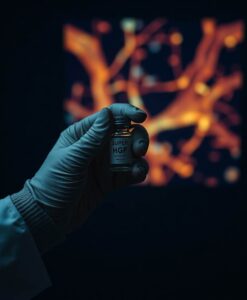
This work sits at the intersection of molecular engineering and healthy aging, raising questions about how far we can boost the body’s own repair systems. If the approach scales and remains safe in people, it could reshape treatments for age-related muscle decline and open pathways to more inclusive care for older adults and those with muscle-wasting conditions. Follow the linked study to see how this protein upgrade might change the way we think about preserving human potential over a lifetime.
Scientists have discovered a compound that transforms a natural muscle-repair protein into a more powerful version dubbed “Super HGF,” more than doubling its ability to bind to a key receptor while protecting it from age-related chemical damage. The breakthrough, supported by early mouse experiments, could eventually help combat muscle loss and preserve strength as people age.