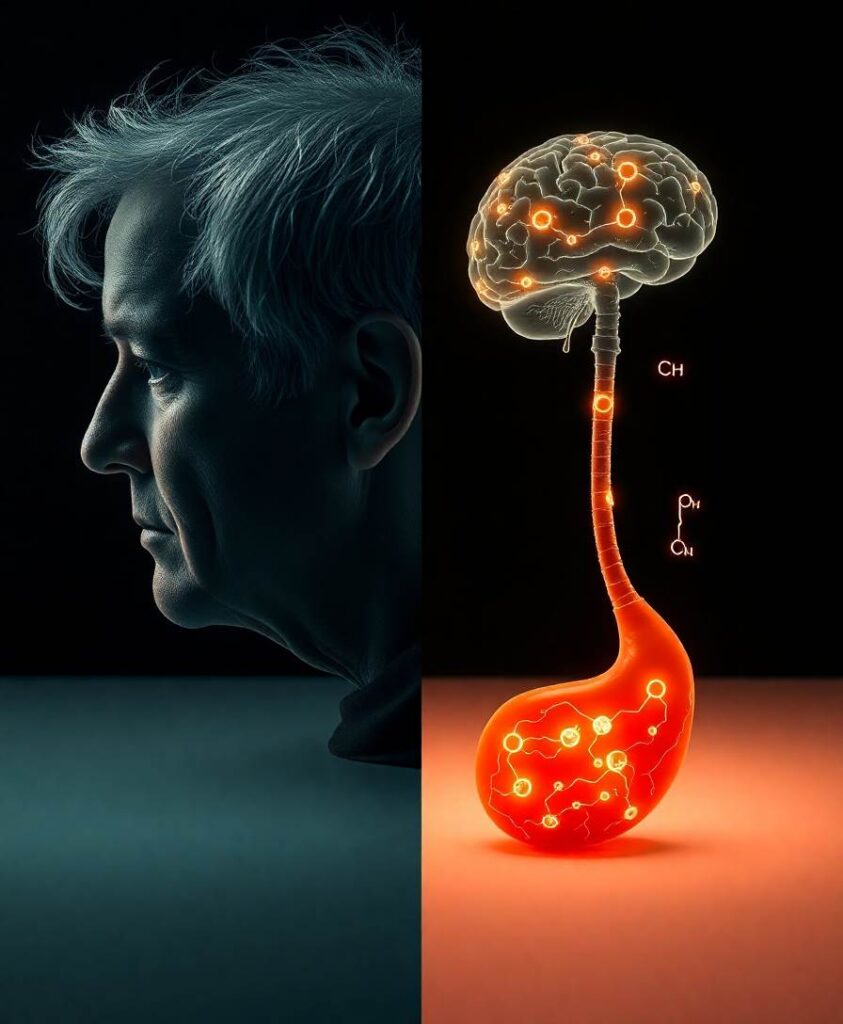

This line of inquiry matters because biological age can differ from the years on your birth certificate. Biological age reflects repair, inflammation, and cellular fitness. If gut microbes account for a meaningful slice of that variation, they could become targets for interventions that support healthier years. That prospect shifts the conversation from inevitability to modifiable risk, and it changes how we plan public health, medicine, and personal habits.

What comes next feels hopeful and complicated at once. Can we encourage the helpful microbes through diet, probiotics, or lifestyle changes? How do individual genetics, environment, and medication interact with microbial effects on aging? Click through to the full article to explore the evidence, the remaining puzzles, and what this research might mean for designing fair, effective ways to extend healthspan for everyone.
The secret to aging more slowly may be hiding in your gut. Scientists discovered that certain gut bacteria are strongly linked to how quickly the body ages, with microbial differences accounting for about 15% of the variation in biological aging rates. Some bacterial species were associated with slower aging, while others were linked to accelerated aging.