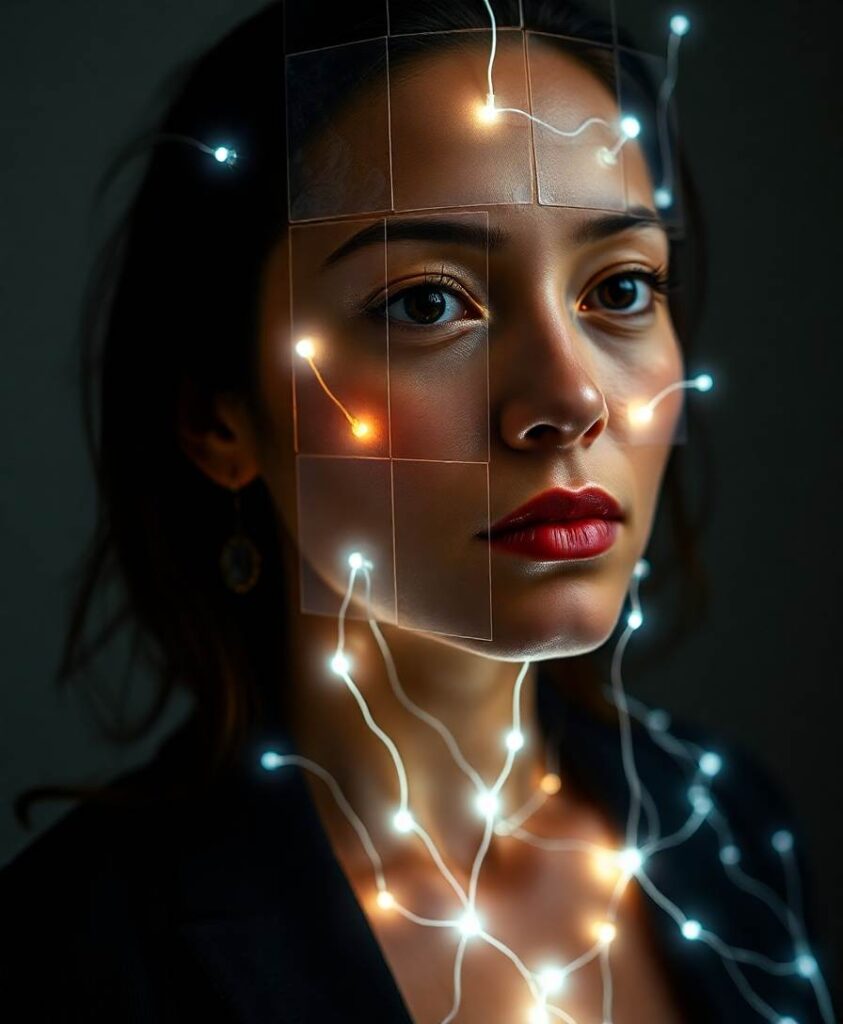

Understanding PPS matters because it sits at the crossroads of perception, action, and consciousness. When this neural mapping shifts—after injury, during altered awareness, or in certain psychiatric conditions—people report distortions in body ownership, spatial awareness, and even the sense of self. Computational approaches reveal how statistical patterns of encounters with objects tune PPS, and recent work shows signals from inside the body, such as heartbeats or breathing, feed into these maps and change how the outside world is represented.
These findings open practical questions about human potential and inclusion. If peripersonal mapping influences immune responses and basic self-experience, then therapies that reshape multisensory predictions could help rehabilitation, mental health, and accessibility. Follow the link to explore how a neural system for “here and now” interactions may weave together body, brain, and environment and what that means for enhancing wellbeing and restoring disrupted self-experience.
The space surrounding the body where physical interactions with external stimuli occur is referred to as peripersonal space (PPS). Traditionally conceived as a spatial construct, PPS is better understood as a neural representation that integrates bodily inputs with external cues to predict body–object interactions. After summarizing its multisensory, motor, and plastic properties, this review draws on computational models to examine how PPS captures statistical regularities of body–object interactions. This predictive function may position PPS as an interface between self and environment, contributing to minimal self-consciousness and its alterations across states of consciousness and neuropsychiatric conditions. Recent findings extend this framework to the inner body, suggesting that interoceptive signals shape PPS and that PPS-related processing may influence immune responses.