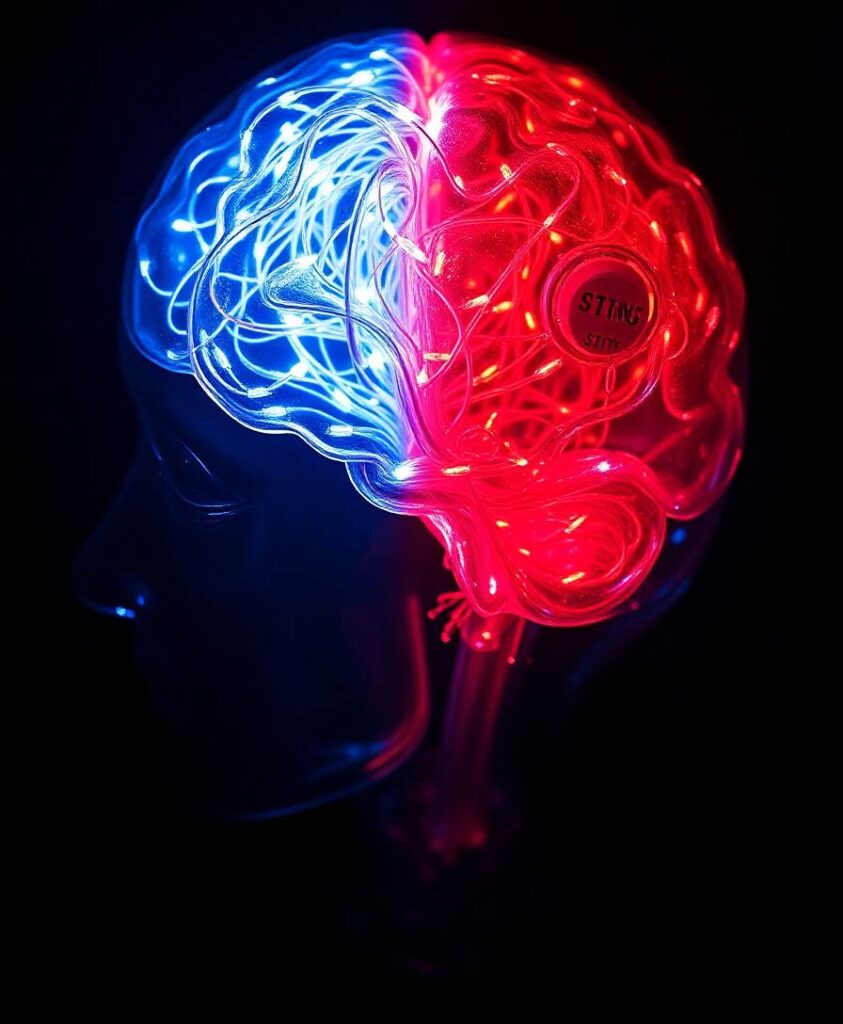

This idea matters because it shifts where scientists look for solutions. Treatments aimed only at protecting neurons may miss the role of supporting cells in maintaining clear neural communication. Understanding which cells change with age and why they overproduce myelin could open paths to therapies that preserve thinking and memory without harming other brain functions.

Curious how protective cells could become harmful and what that means for interventions geared toward aging and inclusion? The full article explores the experiments and evidence connecting cellular behavior to cognitive decline, offering clues about future strategies to support brain health for people across the lifespan.
Scientists have uncovered a surprising cause of age-related cognitive decline involving brain cells previously thought to be entirely beneficial. As these cells become dysfunctional, they can produce abnormal amounts of myelin, disrupting nerve fibers and potentially contributing to worsening memory and thinking skills.