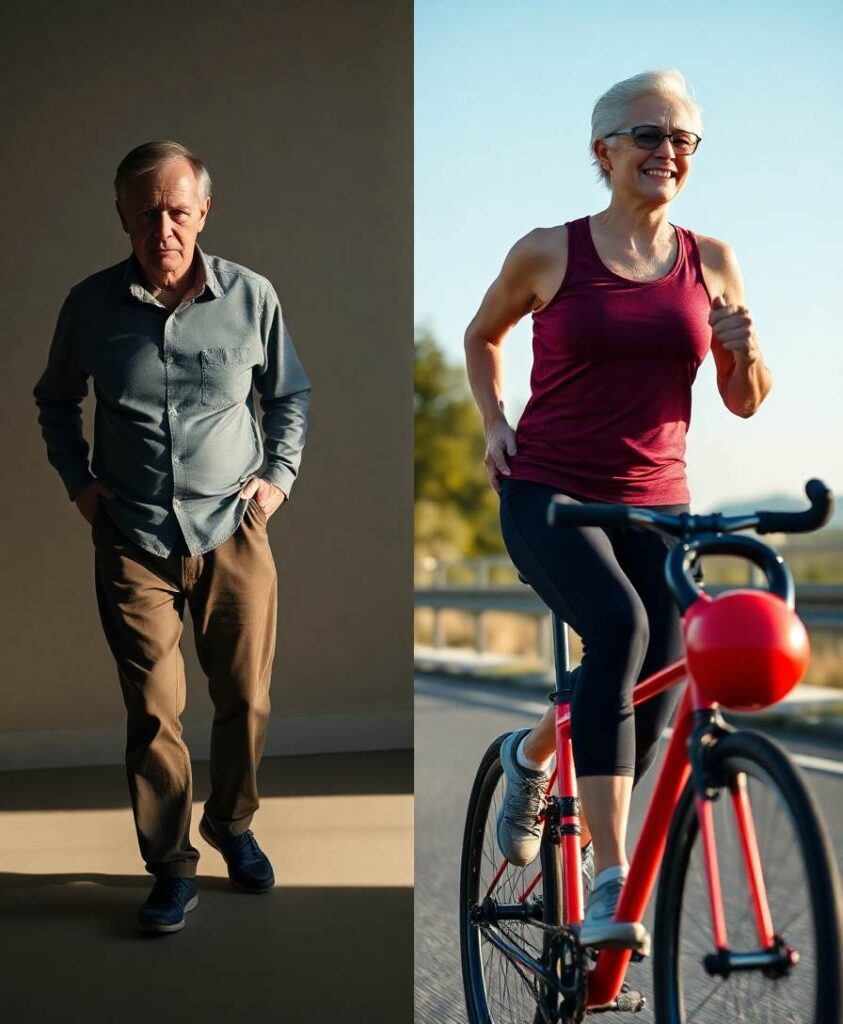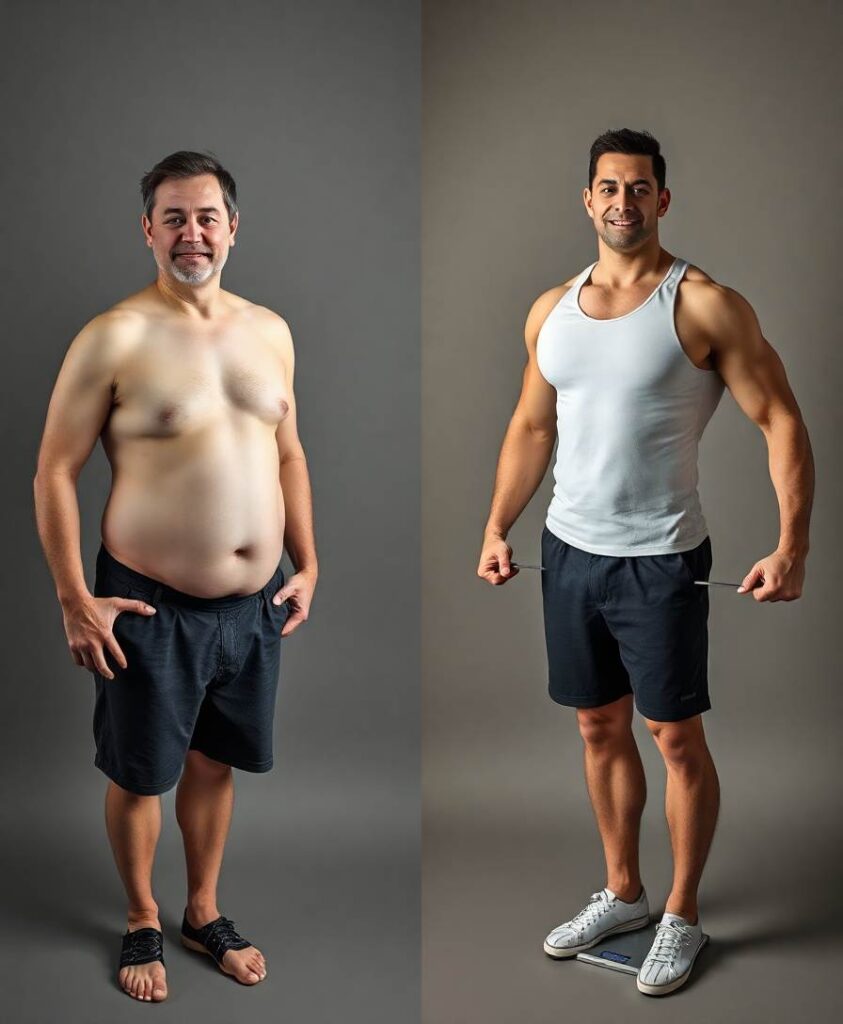

Finding a decline in strength beginning around age 35 challenges a quiet assumption that loss of physical power waits until later decades. This matters because small shifts in muscle strength compound over time, influencing balance, stamina, and the ability to recover from injury. The idea that starting exercise in adulthood still improves performance is hopeful; movement remains a tool to expand what our bodies can do, even after subtle decline has begun.
Curiosity about how lifestyle, genetics, and different kinds of activity interact with this early turning point will matter for families, coaches, and health systems. Readers who want to know which types of exercise protect strength best, how quickly decline accelerates, and how programs can be designed to support everyone’s potential will find this study a useful starting point. Follow the link to explore how this long-term evidence connects to maintaining ability, opportunity, and inclusion across the lifespan.
A 47-year study has uncovered a surprising turning point in physical aging: fitness and strength begin declining around age 35, even among people who exercise regularly. Researchers found that this decline accelerates as people get older, but starting to exercise in adulthood can still improve physical performance.