Clinical reports and early trials show promising pain relief for a subset of patients, sometimes strong enough to delay or avoid knee replacement for years. This treatment sits between conservative care and major surgery, which could matter for people too young for a lifetime of joint implants or for those whose other health conditions make major surgery risky. Understanding who will benefit most and how long improvement lasts are the essential questions clinicians are now trying to answer.
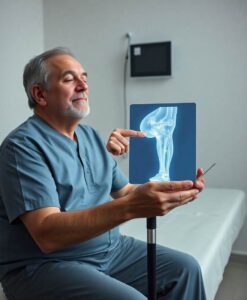
If you want to explore how embolization might change the choices available to someone living with osteoarthritis, the full article digs into patient outcomes, how the procedure is performed, and emerging evidence on durability. The connection to human potential is direct: less pain can mean more work, play, and independence. Follow the link to learn how this technique could reshape options for mobility and long-term quality of life.
A minimally invasive procedure called genicular artery embolization could offer a new middle ground between conservative treatments and knee replacement for osteoarthritis. By blocking tiny blood vessels associated with inflammation, GAE can significantly reduce pain, with some patients reporting little or no pain afterward. Studies suggest the benefits may last two to four years in people who respond well.