
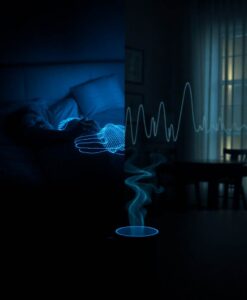
Not everyone responds the same way. Some people show strong sensitivity to caffeine hours after drinking it, while others are barely affected. That variability means simple rules about “no caffeine after X time” are likely to miss who truly needs to adjust their intake. Tools like EEG show what our brains are doing while we sleep, revealing differences that a clock or a diary can’t capture.
Understanding these hidden effects opens a practical line of inquiry for improving daily performance and long-term health. If your goal is better recovery, the question becomes how to find the right personal steps, not which universal rule to follow. Read on to learn how brain-level sleep changes link to human potential, and what experiments you might try to discover your own sensitivity.
Caffeine may make sleep less restorative even when you fall asleep normally and stay in bed for eight hours, with EEG recordings revealing fewer of the slow brain waves associated with deep sleep. Individual sensitivity varies dramatically, meaning even caffeine consumed earlier in the day could affect nighttime recovery for some people.