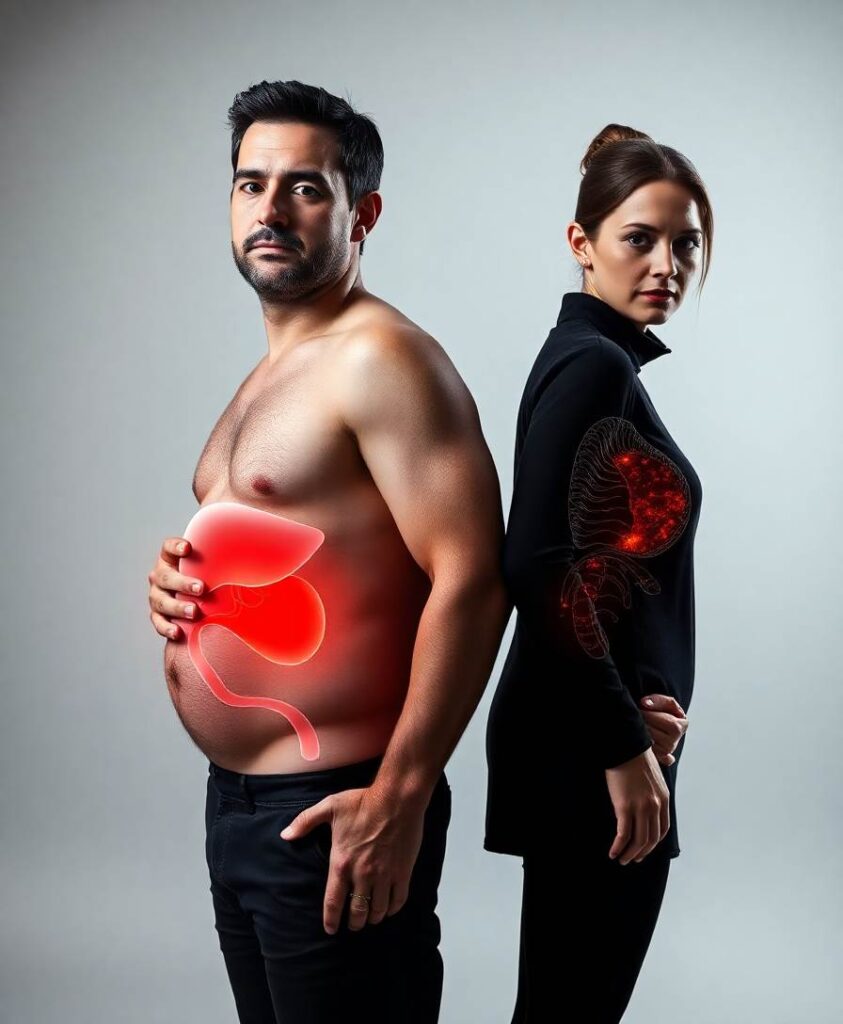

This matters because many health checks rely on BMI, a rough ratio that can overlook where fat sits on the body. A modest change in how we screen patients could catch people whose weight looks average but whose waistlines suggest higher risk. That shift would affect prevention, treatment choices, and who gets earlier monitoring for conditions linked to central fat.

If you care about healthy aging and inclusive care, this research prompts useful questions. How might routine waist checks change conversations in clinics and schools? Could insurance and public health programs update screening to reflect these findings? Follow the link to see how these results connect to broader efforts to identify risk fairly and support better outcomes for diverse bodies.
A simple waist measurement may be nearly as effective as more complicated methods for detecting unhealthy levels of body fat. Researchers also found that BMI alone missed many people with obesity, suggesting waist size could provide an important warning sign.