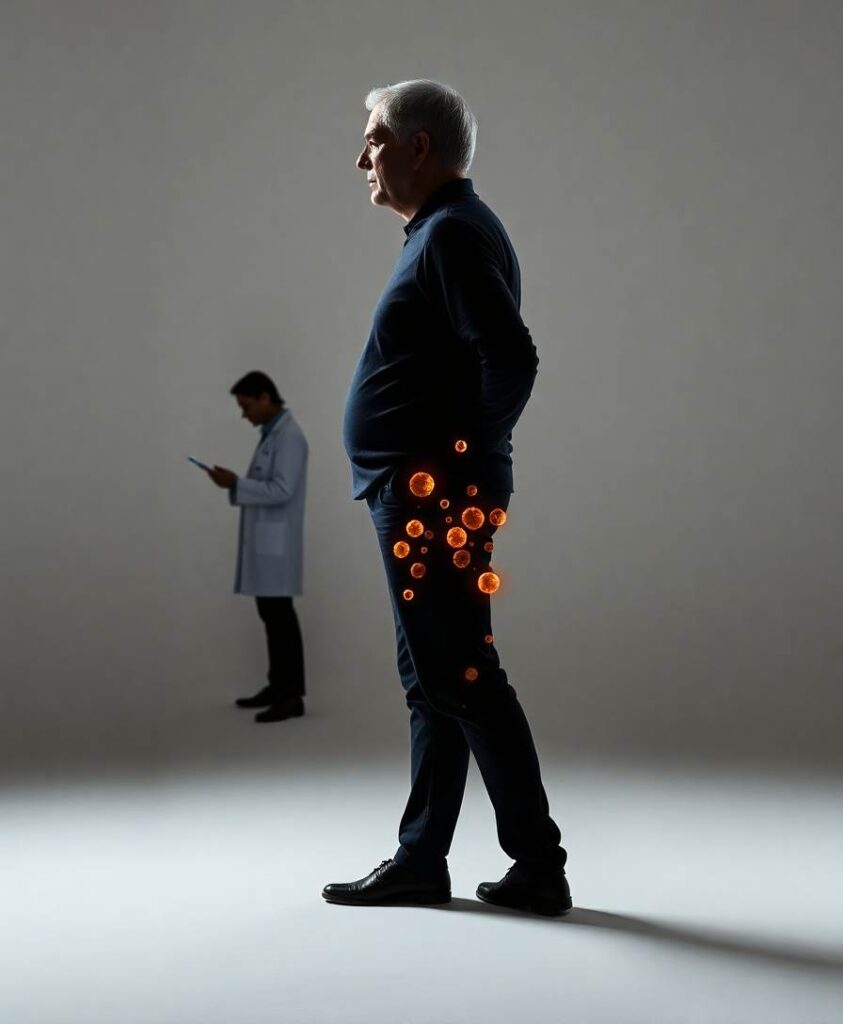

Abdominal obesity is more than a clothing-size issue. Fat tissue around the middle releases molecules that drive chronic, low-level inflammation. That inflammation can interfere with how vitamin D is processed, while low vitamin D can weaken the body’s ability to control inflammatory responses. The result can be a reinforcing cycle that increases vulnerability to cardiovascular disease, infections, and other conditions that affect longevity and quality of life.

This paper highlights why clinicians and people who care for aging loved ones should look beyond single risk factors and consider how body composition and nutrition overlap. The findings point to practical questions: would targeted vitamin D screening and strategies to reduce central fat alter the risk pattern? Follow the link to explore how these connections matter for keeping people healthier and more independent as they age.
A large study of more than 5,500 adults over 50 found a striking combination of risk factors: abdominal obesity paired with vitamin D deficiency was linked to a 123% higher risk of death over six years. Each condition was associated with increased risk on its own, but together they appeared to create a dangerous feedback loop, with belly fat reducing the amount of vitamin D available in the bloodstream while low vitamin D may worsen inflammation and other health problems.