This pattern matters beyond biomechanics. When walking requires more effort but delivers less distance, fatigue sets in sooner and people avoid longer trips or tricky surfaces, narrowing activity and social contact. That cycle can accelerate declines in overall strength and balance. Understanding the trade-offs the nervous system makes between stability and efficiency opens practical paths for intervention.
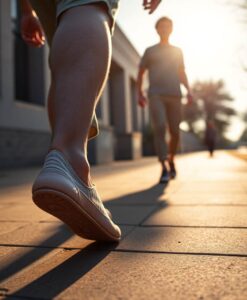
Simple, targeted exercise programs that focus on balance, coordination, and lower-leg strength could help older adults regain smoother, more efficient steps. Curious readers can follow the linked article to see how these findings map onto training techniques and what they mean for preserving independence, mobility, and inclusive movement across the lifespan.
As we age, the body appears to sacrifice walking efficiency in exchange for stability. Older adults stiffen the ankle more with each step, which may help prevent falls but also forces the muscles to work harder while producing less forward motion. This leads to shorter strides, slower walking, and faster fatigue. Exercises targeting balance, coordination, and lower-leg strength could help preserve mobility.