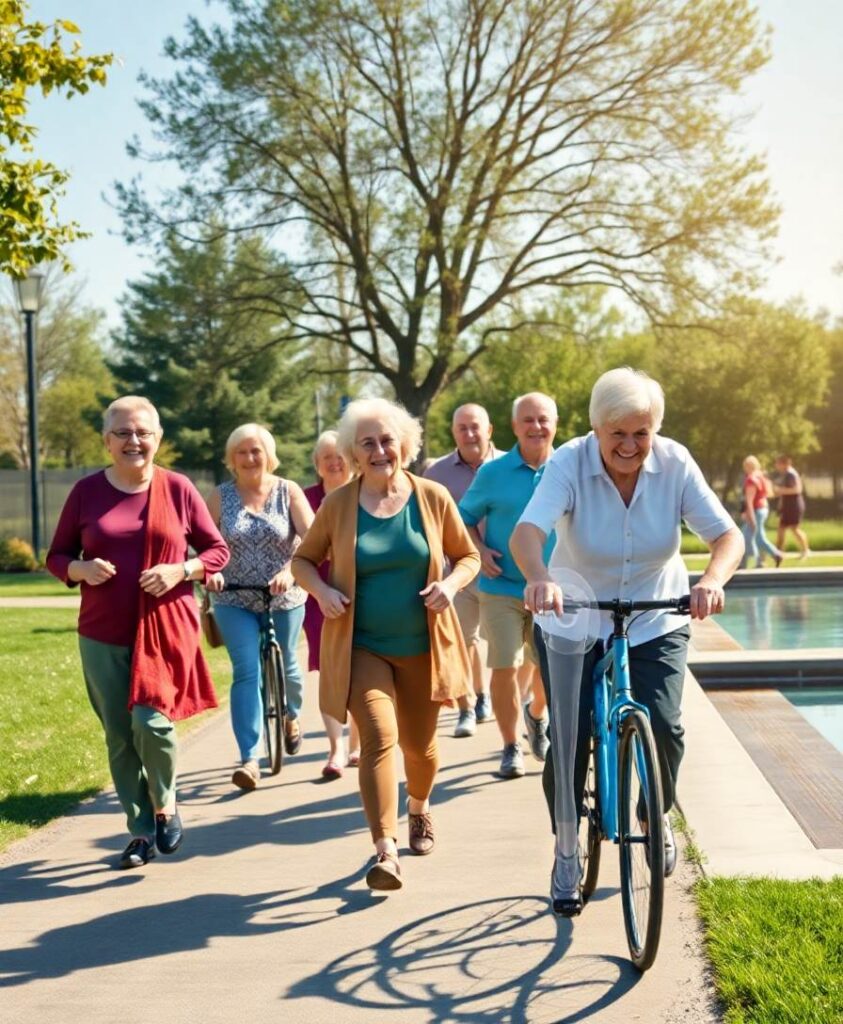
Translating study findings into everyday life is never straightforward. Physical activity varies by age, baseline health, access to safe places for movement, and competing demands like work and caregiving. Framing exercise as a single weekly target can overlook these realities. That makes it important to think about which populations can realistically increase activity, which need targeted support, and how public programs might reduce barriers to sustained, higher levels of movement.
If the strongest protection may come from many more hours of activity than commonly advised, society faces a design problem: how to help people build that into ordinary routines without widening health inequities. The full article explores the evidence and the potential implications for guidelines, communities, and individual goals. Follow the link to see how these findings connect to human potential, wellbeing, and making healthy choices more inclusive and achievable.
Getting the recommended 150 minutes of moderate-to-vigorous exercise each week may offer only modest protection against heart attacks and strokes. A large study suggests that substantially greater benefits may require roughly 560 to 610 minutes a week—nearly 9 to 10 hours of brisk walking, running, cycling, or similar activity.